DIN 976 Threaded Rods: Grades, Materials, Lengths and Finishes
A DIN 976 threaded rod is a metric externally threaded fastener used in machinery, equipment supports, construction, industrial maintenance, pumps, valves, and other assemblies requiring continuous or long thread engagement. For industrial buyers, selecting the correct threaded rod requires more than specifying diameter and length. Thread pitch, material or property class, surface finish, cut length, nut compatibility, operating environment, and inspection requirements all need to be defined.
The current standard is DIN 976-1:2016-09, titled “Fasteners – Stud bolts – Part 1: Metric thread.” DIN Media lists this edition as current and states that it replaced DIN 976-1:2002-12. Its scope covers metric-thread stud bolts made from steel, stainless steel, and non-ferrous metals and includes marking requirements. The older DIN 976:1986-09 and earlier DIN 976-1 editions are withdrawn.
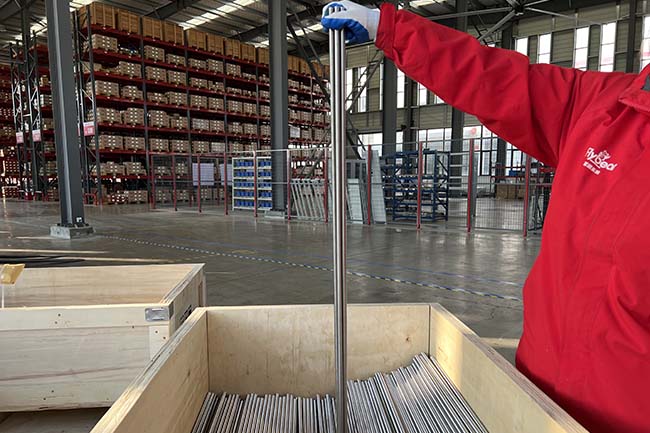
Although the formal standard uses the term stud bolts, continuously threaded products supplied to DIN 976-1 are also widely described commercially as threaded rods or threaded bars. Flybear supplies standard, special, and custom threaded components for OEM and project requirements. Buyers can review the threaded rod range and provide the applicable standard, thread, material, finish, quantity, and application for technical review.
What Is a DIN 976 Threaded Rod?
A DIN976 threaded bar is a headless externally threaded component with metric thread extending over the required length. Nuts, couplings, brackets, plates, or other internally threaded components can engage at different positions along the rod, making it useful for adjustable and long-span fastening arrangements.
Typical applications include:
- Machinery mounting and equipment supports.
- Pipe, cable, and HVAC suspension systems.
- Pump, valve, and industrial equipment assemblies.
- Steel fabrication and construction.
- Electrical and mechanical installations.
- Maintenance and replacement fastening.
- Custom stud and tie-rod assemblies.
A DIN 976 product should not automatically be treated as equivalent to every fully threaded stud. Pressure equipment, structural applications, or customer-controlled machinery may require different material standards, testing, threads, markings, or documentation even when the geometry appears similar.
DIN 976-1 Standard Status: What Buyers Should Specify
| Reference | Status | Buyer Consideration |
|---|---|---|
| DIN 976-1:2016-09 | Current | Current DIN reference for stud bolts with metric thread within its scope |
| DIN 976-1:2002-12 | Withdrawn | Legacy edition replaced by DIN 976-1:2016-09 |
| DIN 976:1986-09 | Withdrawn | Older legacy reference still encountered on historical drawings |
For new purchasing specifications, stating DIN 976-1:2016-09 removes uncertainty about the intended edition. When an old equipment drawing specifies DIN 976 or an earlier DIN 976-1 edition, buyers should determine whether the drawing must remain unchanged or whether engineering has approved migration to the current standard.
DIN 976 Threaded Rod Grades and Mechanical Properties
The dimensional or product-standard designation should not be used as a substitute for the mechanical-property requirement. Two metric threaded rods with identical dimensions can have very different load capabilities depending on their material, heat treatment, and property class.
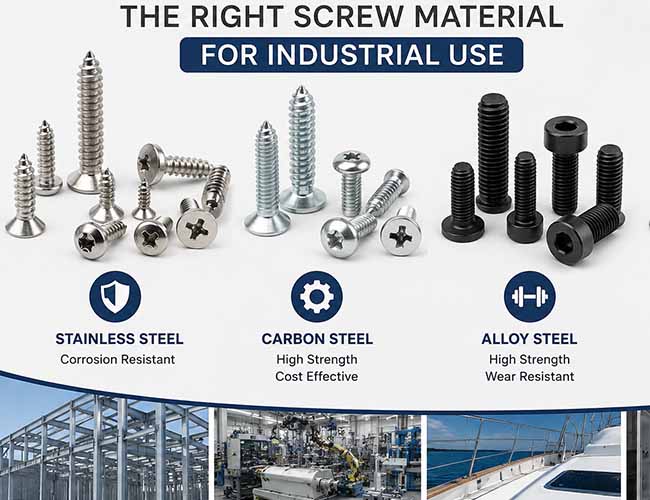
Carbon and Alloy Steel
For applicable carbon and alloy steel metric fasteners, ISO 898-1 provides mechanical and physical requirements for bolts, screws, and studs with specified property classes. Depending on the project, buyers may encounter property classes such as 4.8, 5.8, 8.8, 10.9, or other specified classes.
The required property class should come from the engineering specification. A general support rod does not necessarily need the same mechanical characteristics as a threaded component in highly loaded machinery.
Higher property class also does not automatically mean better suitability. The mating nuts, connected components, preload, thread engagement, operating temperature, coating process, and installation method must remain compatible with the selected rod.
Alloy Steel Threaded Rod
An alloy steel threaded rod can be specified where the engineering design requires mechanical characteristics not provided by the selected general-purpose carbon steel grade. Material grade and required heat-treatment condition should be stated when controlled by the project.
Piping and pressure-equipment buyers should pay particular attention to this distinction. If a project specifies an ASTM, ASME, EN, or customer-specific bolting material, a general DIN 976 rod should not be substituted solely because the nominal diameter and thread appear suitable. Product geometry, material requirements, testing, and documentation must all be reviewed.
Stainless Threaded Rod Selection
A stainless threaded rod can be selected for applications requiring corrosion resistance or compatibility with stainless assemblies. ISO 3506-1:2020 is the current international mechanical-property reference for applicable corrosion-resistant stainless steel bolts, screws, and studs with specified grades and property classes.
Stainless selection should identify the actual grade or property requirement rather than simply stating “stainless steel.” Different stainless families and grades provide different combinations of corrosion behavior and mechanical properties.
For industrial sourcing, consider:
- Outdoor or indoor exposure.
- Humidity and condensation.
- Chloride or salt exposure.
- Chemical environment.
- Operating temperature.
- Mating nut and washer material.
- Risk of galvanic interaction with other metals.
- Thread friction and galling during assembly.
Stainless steel is not universally corrosion-proof. Grade selection should reflect the real environment, particularly for marine, chemical-processing, or chloride-containing applications.
Non-Ferrous Materials
DIN 976-1 also includes stud bolts made from non-ferrous metals within its scope. In industrial projects, non-ferrous threaded components may be considered where weight, electrical characteristics, corrosion behavior, or other material-specific properties are important.
However, steel property classes should not be applied automatically to brass, copper, aluminum, or other non-ferrous materials. Buyers should provide the specific material designation and any required mechanical, dimensional, or certification requirements.
Metric Thread Size and Pitch
A metric threaded rod must match the nuts, couplings, or tapped components used in the assembly. Buyers should specify nominal diameter and pitch rather than relying only on a description such as “M16 threaded rod” when fine pitch or another non-default configuration may be involved.
Important thread information includes:
- Nominal metric diameter.
- Coarse or fine pitch.
- Thread tolerance where controlled.
- Right-hand or special thread direction where applicable.
- Finished thread condition after coating.
Fine and coarse threads with the same nominal diameter are not interchangeable. For maintenance projects, verify the existing thread before ordering replacement material.
DIN 976 Threaded Rod Lengths
Threaded rod is commonly supplied in long bars that can be cut into project-specific lengths. Commercial suppliers frequently offer 1,000 mm, 2,000 mm, and 3,000 mm lengths for selected sizes and materials, but buyers should recognize these as common market supply formats rather than assume that every supplier stocks every combination.
For a specification-driven order, state:
- Required finished length.
- Length tolerance.
- Whether rods are supplied as full bars or cut pieces.
- Required end chamfer or deburring.
- Quantity per length.
- Packaging restrictions for long products.
Cutting deserves attention because an uncontrolled saw-cut or abrasive-cut end can damage the first thread and make nut installation difficult. Finished pieces may require deburring, chamfering, or thread restoration according to the agreed requirement.
Common Finishes for DIN 976 Threaded Rod
Surface finish affects corrosion protection, appearance, friction, thread fit, and sometimes the required mating-nut configuration. The coating should therefore be specified according to the environment rather than selected only by appearance.
Plain or Uncoated Steel
Plain steel can be suitable where corrosion protection is provided by the surrounding system, the component operates in a controlled environment, or a later finishing process is planned. Storage and transport protection may still be required to limit surface corrosion before installation.
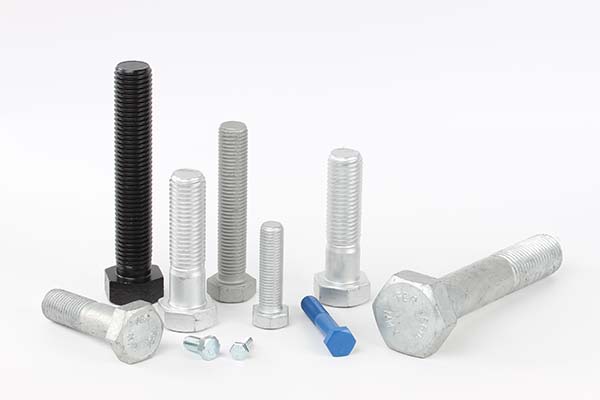
Zinc-Based Coatings
Zinc-based finishes are widely used on steel threaded rods for general corrosion protection. The exact coating process and thickness should be identified when these characteristics matter because different zinc systems can produce different dimensional, friction, and corrosion behavior.
Hot-Dip Galvanized Threaded Rod
Hot-dip galvanizing can provide a relatively thick protective zinc layer for outdoor and construction-related applications. Because the coating is significantly thicker than many electroplated finishes, thread allowance and compatible nuts require particular attention.
Buyers should not combine independently selected galvanized rods and nuts without confirming the applicable thread and coating system. The finished male and female threads must be designed to assemble correctly after galvanizing.
Zinc-Flake and Project-Specific Finishes
Zinc-flake coatings and other engineered finishes may be specified where projects require particular corrosion or friction characteristics. The RFQ should identify the coating specification, thickness or class where applicable, lubrication condition, corrosion-test requirement, and acceptance criteria.
Choosing a DIN 976 Threaded Rod for the Application
| Application Requirement | Specification Priority |
|---|---|
| General machinery support | Thread size, property class, length, finish, and matching nuts |
| Outdoor construction | Corrosion protection, thread compatibility after coating, and project mechanical requirements |
| Corrosive environment | Stainless or suitable coated material selected for the actual exposure |
| High-load machinery | Engineering-defined property class, thread, mechanical testing, and mating components |
| Pumps, valves, or pressure equipment | Check whether a separate service-specific bolting material standard is required |
| Maintenance replacement | Verify legacy standard, thread pitch, length, material, and existing finish |
Quality Control for DIN 976 Threaded Rod
Inspection should match the standard, material, property class, coating, and application. Depending on the order, relevant checks can include overall length, thread dimensions, Go/No-Go thread gauging, material verification, hardness, tensile testing, coating thickness, surface appearance, and marking or packaging review.
Long threaded products may also require inspection of straightness or other drawing-controlled characteristics where assembly demands it. Thread inspection after coating is particularly important when the surface treatment adds significant thickness.
Flybear’s quality control process supports dimensional and thread inspection, material and certificate review, hardness and tensile testing, coating inspection, salt-spray testing when required, and final packaging checks according to agreed requirements.
Common DIN 976 Threaded Rod Purchasing Mistakes
- Using an outdated DIN edition without checking its status. DIN 976-1:2016-09 is the current DIN edition.
- Ordering only by diameter and length. Thread pitch, material or property class, and finish also matter.
- Assuming DIN 976 defines every strength requirement. Mechanical properties should be separately specified where required.
- Calling all stainless rods equivalent. Stainless grade and property requirements need to match the environment and joint.
- Treating common 1 m, 2 m, or 3 m commercial lengths as guaranteed stock. Availability depends on size, material, grade, finish, and supplier.
- Ignoring coating effects on threads. Thick finishes can require coordinated male and female thread allowances.
- Substituting a general threaded rod for service-specific stud bolting. Pressure and equipment projects may require separate material and testing specifications.
- Leaving certificates and testing until after ordering. Documentation scope should be defined during the RFQ stage.
When Custom Threaded Rods or Studs Are Needed
Standard DIN 976 configurations do not cover every OEM requirement. A project may require a special length, unusual pitch, left-hand thread, controlled unthreaded section, different threads at each end, special material, custom coating, or drawing-specific tolerances.
For these requirements, buyers can submit the approved specification through Flybear’s custom fastener support. Drawing-based parts should be evaluated according to their actual geometry and mechanical requirements rather than assumed to retain all characteristics of a standard DIN976 threaded bar.
RFQ Checklist for DIN 976 Threaded Rod
For a technically comparable quotation, provide:
- DIN 976-1 edition or latest controlled drawing.
- Metric thread diameter and pitch.
- Required finished length and tolerance.
- Full-bar or cut-to-length requirement.
- Material grade or mechanical property class.
- Stainless or non-ferrous grade where applicable.
- Heat-treatment requirement where controlled.
- Surface finish, coating, thickness or lubrication requirement.
- Matching nut and washer requirements where relevant.
- Quantity for each size and length.
- Application and operating environment.
- Critical dimensions or straightness requirements.
- Material certificates, mechanical test reports, coating reports, marking, traceability, and packaging requirements.
FAQ
What is the current DIN standard for threaded rods?
DIN 976-1:2016-09 is the current DIN standard for stud bolts with metric thread. It replaced DIN 976-1:2002-12. Older DIN 976 references should be treated as legacy specifications.
Is DIN 976 the same as DIN 975?
Buyers should not assume that legacy DIN 975 terminology and current DIN 976-1 requirements are automatically interchangeable. When an older drawing specifies a legacy standard, verify dimensions, thread, material, mechanical requirements, and project approval before substitution.
What grades are available for DIN 976 threaded rods?
The required grade depends on material and application. Carbon and alloy steel products can use applicable ISO metric property classes where specified, while stainless threaded rods use applicable stainless steel grades and property classes. The exact requirement should be included in the RFQ.
What lengths are common for metric threaded rod?
Commercial supply commonly includes lengths such as 1,000 mm, 2,000 mm, and 3,000 mm for selected products, while cut-to-length requirements can also be supplied. Buyers should confirm availability rather than assume every length is stocked in every size and material.
Can DIN 976 threaded rods be hot-dip galvanized?
Suitable steel threaded rods can use hot-dip galvanized finishes when required, but the coating thickness affects thread fit. The rod, nut, thread allowance, and applicable coating specification should be selected as a compatible system.
What should buyers provide for a DIN 976 threaded rod quotation?
Provide the standard or drawing, thread diameter and pitch, length, material or property class, finish or coating, quantity, application, matching nut requirements, and required inspection or certificate documents.
Conclusion
A DIN 976 threaded rod should be specified as an engineered threaded component rather than simply as a length of all-thread material. The current DIN 976-1:2016-09 standard covers metric-thread stud bolts made from steel, stainless steel, and non-ferrous metals within its scope, while mechanical properties and coatings may require additional specifications.
For reliable sourcing, buyers should define thread size and pitch, material or property class, finished length, coating, mating nuts, application conditions, inspection, and documentation. These details are particularly important for alloy steel threaded rod, stainless threaded rod, pressure-equipment projects, and coated products where the service requirement extends beyond general-purpose fastening.
For standard or project-specific threaded rods and studs, Flybear can support technical requirement review and quotation. Send your standard or drawing, size and thread, material or property class, finish or coating, length, quantity, application, and inspection or certificate requirements through the Flybear contact page.