ASTM A320 L7 vs ASTM A193 B7: Low-Temperature vs General Pressure Bolting
A320 L7 vs A193 B7 is an important comparison for piping buyers, EPC procurement teams, equipment manufacturers, and maintenance departments sourcing alloy-steel stud bolts for pressure vessels, valves, flanges, and fittings. ASTM A320 Grade L7 is specifically covered by a low-temperature bolting specification that includes impact-toughness requirements, while ASTM A193 Grade B7 is widely used for high-temperature, high-pressure, and other special-purpose bolting where the applicable design does not require the A320 low-temperature qualification.
The current editions are ASTM A320/A320M-26 and ASTM A193/A193M-26. Both specifications cover bolting materials and components rather than defining every finished stud dimension. Buyers must still specify thread, stud configuration, finished length, matching nuts, coating, inspection, marking, and documentation. Similar appearance or comparable room-temperature strength does not make L7 stud bolts and B7 stud bolts automatically interchangeable.
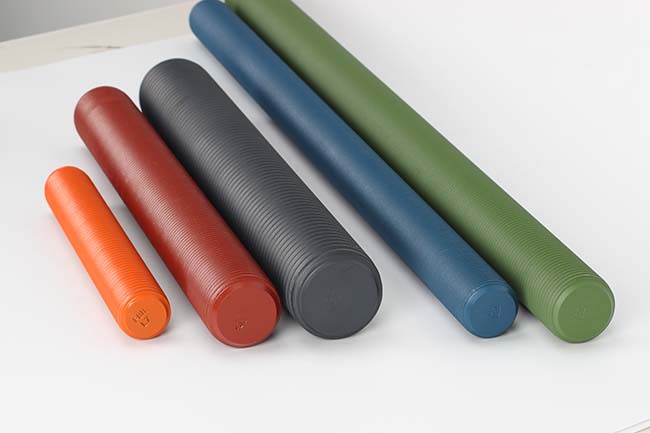
Flybear supplies standard, special, and custom industrial fasteners for OEM, EPC, maintenance, and distributor requirements. Buyers evaluating low-temperature bolting can review an ASTM A320 L7 stud bolt assembly or the broader threaded rods and studs range and provide the applicable standard, grade, dimensions, finish, quantity, and inspection requirements for technical review.
A320 L7 vs A193 B7: Quick Comparison
| Selection Factor | ASTM A320 Grade L7 | ASTM A193 Grade B7 |
|---|---|---|
| Primary Standard Scope | Alloy-steel bolting for low-temperature service | Alloy-steel bolting for high-temperature, high-pressure, or other special-purpose service |
| Typical Product Forms | Studs, stud bolts, bolts, rods, and other bolting components within the specification | Studs, stud bolts, bolts, rods, and other bolting components within the specification |
| Impact Toughness | Impact-energy requirements and specified test-temperature requirements are part of the A320 framework | Does not automatically provide the same A320 L7 low-temperature impact qualification |
| Mechanical Strength | High-strength heat-treated alloy-steel bolting within the grade requirements | High-strength heat-treated alloy-steel bolting within the grade requirements |
| Typical Buyer Focus | Minimum design temperature, impact test documentation, heat treatment, and traceability | Pressure or elevated-temperature service, mechanical properties, heat treatment, and traceability |
| Direct Substitution | Do not substitute without verifying the design temperature, impact requirements, material specification, dimensions, nuts, coating, and project approval. | |
What Is ASTM A320 Grade L7?
ASTM A320/A320M covers alloy-steel and stainless-steel bolting materials and bolting components for pressure vessels, valves, flanges, and fittings intended for low-temperature service. Grade L7 is one of the ferritic alloy-steel grades included in this specification.
The key feature for buyers is not simply that L7 is an alloy-steel grade. ASTM A320 includes impact testing as part of its low-temperature qualification framework. The standard specifies impact-energy requirements and associated test temperatures for applicable grades. This helps distinguish L7 from a pressure bolting grade selected only from room-temperature tensile and hardness requirements.
Typical applications for L7 stud bolts can include:
- Low-temperature piping systems.
- Pressure vessels with controlled minimum design temperatures.
- Valves and flange connections in cold-service processes.
- Industrial refrigeration and gas-processing equipment.
- Equipment where the project specification requires impact-tested alloy-steel bolting.
The engineering design or project specification determines whether Grade L7 is required. Outdoor winter exposure alone should not be used as the sole basis for selecting a low-temperature bolting grade.
What Is ASTM A193 Grade B7?
ASTM A193/A193M covers alloy-steel and stainless-steel bolting for pressure vessels, valves, flanges, and fittings used in high-temperature, high-pressure, or other special-purpose applications. Grade B7 is one of the most widely recognized alloy-steel grades within this specification.
B7 stud bolts are commonly used in industrial piping, pumps, valves, refinery equipment, chemical-processing equipment, pressure vessels, and other bolted systems where the applicable design specification calls for ASTM A193 Grade B7.
ASTM A193 itself points users to ASTM A320/A320M when alloy-steel bolting for low-temperature applications is required. This makes the specification boundary particularly important: B7 should not automatically be extended into low-temperature service solely because its nominal strength appears similar to L7.
The Main Difference Is Low-Temperature Impact Qualification
The most important difference in A320 L7 vs A193 B7 sourcing is the impact-toughness requirement associated with low-temperature service.
Metal can become more susceptible to brittle fracture as temperature falls, depending on its composition, heat treatment, section size, stress state, and other factors. For this reason, low-temperature equipment specifications may require Charpy impact testing to demonstrate that the bolting material provides the required energy absorption at a specified test temperature.
ASTM A320 includes this impact-testing framework. Its current scope states that covered materials must meet prescribed impact-energy requirements and that impact, tension, and hardness testing are part of the mechanical test program.
ASTM A193 B7, by contrast, should not be assumed to carry the same low-temperature impact qualification unless additional project-specific testing or requirements have explicitly been imposed.
This leads to a practical purchasing rule: if impact toughness at low temperature is a design requirement, specify the appropriate low-temperature bolting standard and grade rather than requesting B7 and adding a vague note such as “for cold service.”
Are L7 and B7 Mechanically Similar?
L7 and B7 are both high-strength alloy-steel bolting grades produced under controlled heat-treatment and mechanical-property requirements. Buyers may therefore encounter similar nominal tensile or yield values for certain applicable sizes and conditions.
That similarity should not be used to declare the grades equivalent. Standard conformity includes more than one tensile number. Important differences can involve:
- Impact testing.
- Required test temperature.
- Heat-treatment control.
- Applicable diameter ranges for mechanical requirements.
- Testing and sampling.
- Marking and grade identification.
- Nut requirements.
- Project documentation.
A substitution review should therefore compare the complete current standards and the project specification, not only a supplier’s mechanical-property table.
Heat Treatment Is Part of Grade Conformity
Both L7 and B7 rely on controlled alloy-steel processing and heat treatment to achieve the required mechanical properties. A piece of alloy-steel threaded rod cannot be identified as L7 or B7 merely because its chemistry is similar to a commonly used alloy route.
For procurement, the grade designation should be tied to documented conformity with the applicable ASTM specification. When material certificates are required, buyers should review heat identification, chemistry, heat treatment, tensile properties, hardness, and impact results where applicable.
This is particularly important when purchasing cut-to-length pressure vessel studs from threaded bar. Processing the bar into a finished stud does not remove the need to preserve material traceability and meet the finished bolting requirements.
Design Temperature Should Drive the Grade Decision
The phrase “low temperature” should be tied to the engineering design rather than interpreted casually. A plant located in a cold climate does not necessarily require ASTM A320 L7 everywhere, while a process system operating indoors may still require impact-tested low-temperature bolting because of the process fluid and minimum design metal temperature.
Before selecting L7 or B7, buyers should confirm:
- Minimum design metal temperature.
- Maximum design or operating temperature.
- Pressure-equipment or piping code requirements.
- Owner or EPC material specification.
- Required Charpy impact test temperature.
- Minimum impact-energy requirement where controlled.
- Flange, valve, or equipment manufacturer requirements.
Do not use a supplier’s generic temperature chart as a substitute for the approved engineering specification.
Stud Dimensions and Threads Are Separate Requirements
ASTM A320 and ASTM A193 are bolting material specifications. They do not eliminate the need to define the finished stud geometry.
A complete order for L7 or B7 pressure vessel studs should identify:
- Continuous-thread, flange-bolting, double-end, or custom stud configuration.
- Nominal diameter.
- Thread series.
- Threads per inch or metric pitch.
- Thread class or tolerance.
- Finished overall length.
- Required end chamfers.
- Any project-specific dimensional tolerances.
For inch-series flange bolting, ASME B18.31.2 is commonly used as a dimensional reference for applicable stud-bolt configurations, while Unified threads are controlled separately by the appropriate thread specification. The exact project documents should determine the required combination.
Matching Nuts Need Special Attention for Low-Temperature Bolting
Matching nuts should be included in the technical review rather than purchased independently by thread size alone.
ASTM A194/A194M covers carbon-steel, alloy-steel, and stainless-steel nuts for high-pressure or high-temperature service. Grade 2H is commonly encountered with B7 stud bolts in many industrial specifications, but the final nut grade must follow the project requirement.
For ASTM A320 applications, the nut requirement deserves additional attention because the current A320 specification states that nut material used with the bolting is to be impact tested. This means an ordinary nut selected only because it mechanically fits the L7 stud may not satisfy the low-temperature bolting requirement.
Depending on the project, alloy-steel nut grades such as ASTM A194 Grade 7 or another approved grade may be specified. Buyers should confirm the exact nut grade, impact-test requirement, dimensions, coating, and documentation instead of assuming a universal pairing.
Coatings for L7 and B7 Stud Bolts
L7 and B7 stud bolts may be supplied with plain or oiled surfaces, hot-dip galvanized finishes where permitted, fluoropolymer coating systems, or other project-qualified surface treatments. Coating selection depends on corrosion exposure, temperature, thread fit, friction requirements, and project specifications.
The same coating should not automatically be approved for both hot-service and low-temperature applications. Buyers should review:
- Coating service-temperature range.
- Corrosion environment.
- Coating thickness and thread allowances.
- Mating nut compatibility.
- Lubrication condition.
- Torque-to-tension relationship.
- Coating-process restrictions for high-strength alloy steel.
Electrochemical or acid-cleaning processes used on high-strength steel also require appropriate control because some processes can introduce hydrogen-related risks. The coating specification and processing route should therefore be agreed before production rather than selected only from color or corrosion appearance.
L7 vs B7 Application Selection Matrix
| Application Condition | Grade to Evaluate | Reason |
|---|---|---|
| Low-temperature pressure equipment with required impact testing | ASTM A320 L7 | A320 is specifically written for low-temperature bolting and includes impact requirements |
| General high-pressure piping where the approved specification calls for B7 | ASTM A193 B7 | B7 is widely used under the A193 pressure/high-temperature bolting framework |
| Elevated-temperature flange service | ASTM A193 B7 / Engineering Specification | Selection should follow temperature, code, and project material requirements |
| Cold-process piping | ASTM A320 L7 / Engineering Review | Minimum design temperature and impact-test requirements should govern selection |
| Existing equipment replacement | Match Approved Grade | Do not switch L7 and B7 based only on availability or similar strength |
| Unknown service temperature | Clarify Before Quotation | Temperature and toughness requirements are central to grade selection |
Can ASTM A320 L7 Replace ASTM A193 B7?
No automatic substitution should be assumed in either direction. L7’s additional low-temperature impact qualification does not mean it can be inserted into every B7 application without engineering review, and B7 should not replace L7 when the joint requires A320 low-temperature conformity.
A substitution review should consider:
- Applicable construction code.
- Equipment design specification.
- Service-temperature range.
- Mechanical-property requirements.
- Impact-testing requirements.
- Material chemistry and heat treatment.
- Stud dimensions and threads.
- Matching nuts.
- Coating and lubrication.
- Owner, EPC, or customer approval.
Purchasing teams should document an approved substitution rather than silently changing the ASTM grade because one material is easier to source.
Quality Control and Documentation
Pressure and low-temperature bolting projects frequently require stronger documentation control than general-purpose fasteners. The inspection scope should therefore be stated in the RFQ.
Depending on the project, buyers may request:
- Material test reports.
- Chemical composition results.
- Heat-treatment records where required.
- Tensile test results.
- Hardness results.
- Charpy impact test results for L7.
- Dimensional inspection reports.
- Thread Go/No-Go inspection.
- Coating-thickness reports.
- Product marking and traceability verification.
- Third-party inspection when specified.
Flybear’s quality control process supports material and certificate review, spectrometer verification, dimensional and thread inspection, hardness and tensile testing, coating inspection, and additional project-specific checks according to the agreed purchase specification.
Common A320 L7 vs A193 B7 Purchasing Mistakes
- Comparing only tensile strength. Low-temperature impact qualification is one of the key reasons A320 L7 is specified.
- Calling B7 a low-temperature grade because it is high strength. Strength and low-temperature notch toughness are different engineering requirements.
- Assuming L7 can always replace B7. Substitution requires review of the complete design and project specification.
- Ignoring the required Charpy test temperature. Low-temperature qualification should match the applicable A320 and project requirements.
- Ordering only “L7 stud bolt.” Dimensions, thread, nuts, coating, quantity, and documentation still need definition.
- Using ordinary nuts with L7 without impact review. ASTM A320 includes requirements for the nut material used with the bolting.
- Selecting coatings without considering tightening friction. Surface condition can change the torque-to-tension relationship.
- Requesting impact certificates after production. Testing and documentation scope should be established in the original RFQ.
RFQ Checklist for L7 and B7 Stud Bolts
To obtain a technically comparable quotation from a stud bolt supplier, provide:
- ASTM A320/A320M or ASTM A193/A193M edition required by the project.
- Grade L7 or Grade B7.
- Applicable dimensional standard or approved drawing.
- Stud configuration.
- Nominal diameter.
- Thread series, pitch or TPI, and thread class.
- Finished length and tolerance.
- Required heat-treatment or project-specific conditions.
- Matching nut standard, grade, quantity, and impact requirements where applicable.
- Surface finish, coating, and lubrication.
- Order quantity.
- Minimum and maximum design temperatures.
- Pressure-vessel, piping, valve, pump, or equipment application.
- Required impact test temperature and acceptance criteria where applicable.
- Material certificates, mechanical test reports, marking, and traceability.
- Dimensional, thread, coating, and third-party inspection requirements.
FAQ
What is the main difference between ASTM A320 L7 and ASTM A193 B7?
ASTM A320 L7 is specified within a low-temperature bolting standard that includes impact-energy requirements. ASTM A193 B7 is covered by a standard for high-temperature, high-pressure, and other special-purpose bolting and should not automatically be treated as having the same low-temperature impact qualification.
Are L7 and B7 the same strength?
Their room-temperature mechanical requirements can be similar for applicable product ranges, but this does not make the grades equivalent. L7 adds low-temperature toughness requirements that are central to its intended specification.
Can B7 stud bolts be used at low temperature?
Do not decide this from strength alone. If the application requires low-temperature impact-tested bolting, the approved engineering or project specification should identify the appropriate ASTM A320 grade or other qualified material.
Does ASTM A320 L7 require impact testing?
Yes. ASTM A320 includes prescribed impact-energy requirements and test-temperature provisions for applicable grades, including L7. The required test conditions should be verified from the current standard and project specification.
What nuts should be used with L7 stud bolts?
The nut grade must follow ASTM A320 and the project specification, including applicable impact-testing requirements. ASTM A194 alloy-steel nut grades may be specified, but buyers should not assume one universal nut grade for every L7 application.
What should buyers send for an L7 or B7 stud bolt quotation?
Provide the ASTM standard and grade, stud dimensions and thread, coating, matching nuts, quantity, design temperature, application, impact requirements, and required material, inspection, and traceability documents.
Conclusion
The A320 L7 vs A193 B7 decision should be based on service temperature and the complete pressure-bolting specification rather than nominal strength or availability. ASTM A320 L7 is designed for low-temperature bolting applications and includes impact-toughness requirements, while ASTM A193 B7 is widely used for high-pressure, elevated-temperature, and other special-purpose bolting where the approved design calls for that grade.
Buyers should separately define the ASTM grade, stud dimensions, thread, matching nuts, coating, minimum design temperature, impact testing, inspection, and documentation. This is particularly important for pressure vessel studs and flange bolting, where an undocumented grade substitution can conflict with engineering and project requirements.
For standard or project-specific L7 and B7 stud bolts, Flybear can support technical requirement review and quotation. Send your ASTM specification, grade, drawing or dimensional standard, size and thread, finished length, coating, matching nuts, quantity, temperature requirements, and inspection documents through the Flybear contact page.