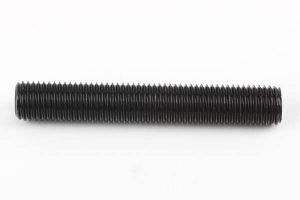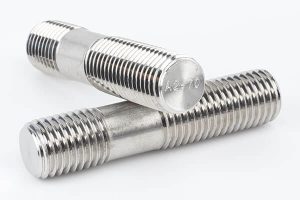
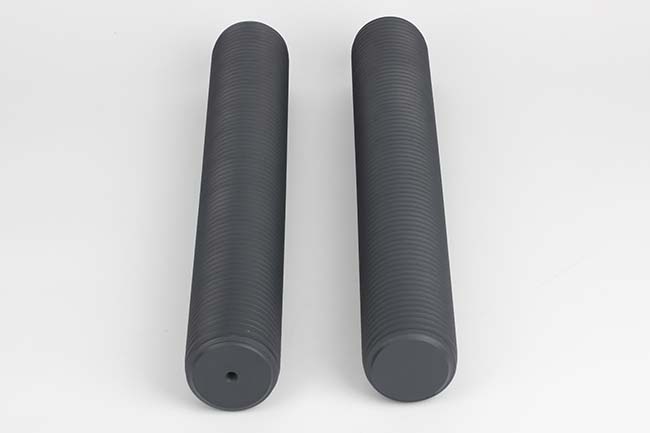
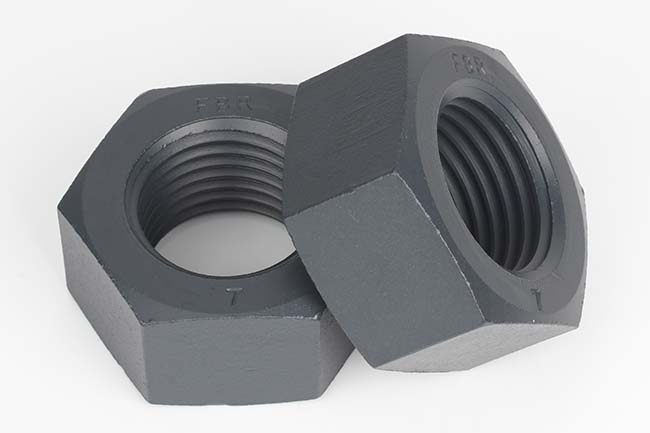
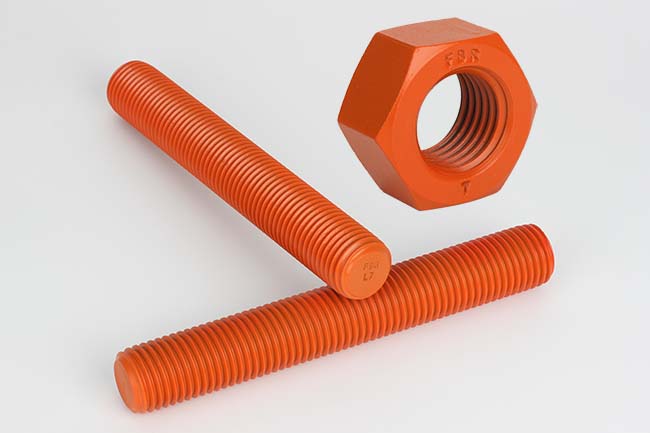
The ASTM A320 L7 stud bolt is a quenched-and-tempered alloy-steel fastener for pressure vessels, valves, flanges, fittings, and joints requiring low-temperature toughness. ASTM A320/A320M-26 is the current specification, and Grade L7 is produced from 4140/4142-type alloy steel. This page covers a stud bolt assembly paired with ASTM A194/A194M Grade 7 heavy hex nuts. For low-temperature service, nut impact requirements must be specified rather than assumed from thread compatibility.
Product Overview and Key Features
ASTM A320 controls material, heat treatment, mechanical properties, impact toughness, testing, and marking. Inch-series stud geometry is addressed by ASME B18.31.2, while heavy hex nut dimensions are commonly specified to ASME B18.2.2.
- Low-temperature grade: L7 is intended for demanding low-temperature pressure-service applications.
- High-strength alloy steel: minimum tensile strength is 125 ksi and minimum yield strength is 105 ksi within the specified size range.
- Impact-tested bolting: L7 includes Charpy impact requirements for low-temperature toughness.
- Grade 7 nut pairing: ASTM A194 Grade 7 heavy hex nuts are a matching option.
- Flange stud geometry: fully threaded flange studs commonly follow ASME B18.31.2.
ASTM A320 L7 Stud Bolt Specifications
Specification Overview
| Item | Specification |
|---|---|
| Stud material standard | ASTM A320/A320M-26 |
| Stud grade | L7 |
| Common material route | 4140/4142-type alloy steel, quenched and tempered |
| Minimum tensile strength | 125 ksi |
| Minimum yield strength | 105 ksi |
| Charpy impact requirement | 20 ft·lbf average minimum at -150°F (-101°C) |
| Dimensional reference | ASME B18.31.2 for inch-series stud bolts |
| Matching nut | ASTM A194/A194M Grade 7 heavy hex nut |
| Nut dimensional reference | ASME B18.2.2 heavy hex pattern |
| Common finishes | Plain/oiled, hot-dip galvanized, or project-qualified protective coating |
Common Diameters, Threads and Heavy Hex Nut Dimensions
The table combines common L7 diameters with normal thread series and ASME heavy hex nut geometry. F is basic width across flats and H is basic nut thickness. ASTM A320 normally uses UNC through 1 inch and 8UN above 1 inch unless otherwise specified. Stud length comes from the flange or equipment design, not ASTM A320.
| Stud Diameter | Standard Thread | Nut F Basic (in.) | Nut H Basic (in.) |
|---|---|---|---|
| 1/2 in. | 1/2-13 UNC | 7/8 | 31/64 |
| 5/8 in. | 5/8-11 UNC | 1-1/16 | 39/64 |
| 3/4 in. | 3/4-10 UNC | 1-1/4 | 47/64 |
| 7/8 in. | 7/8-9 UNC | 1-7/16 | 55/64 |
| 1 in. | 1-8 UNC | 1-5/8 | 63/64 |
| 1-1/8 in. | 1-1/8-8UN | 1-13/16 | 1-7/64 |
| 1-1/4 in. | 1-1/4-8UN | 2 | 1-7/32 |
| 1-1/2 in. | 1-1/2-8UN | 2-3/8 | 1-15/32 |
| 2 in. | 2-8UN | 3-1/8 | 1-31/32 |
| 2-1/2 in. | 2-1/2-8UN | 3-7/8 | 2-29/64 |
Grade L7 mechanical properties apply through 2-1/2 inches in the standard grade range. For metric bolting, specify ASTM A320M and the applicable SI dimensions rather than mixing inch and metric requirements.
Common Materials, Nut Requirements and Surface Finishes
L7 Alloy Steel Stud Material
Grade L7 is commonly manufactured from 4140 or 4142 alloy steel and quenched and tempered. Finished studs must satisfy specified strength, hardness, ductility, and impact requirements, so purchase the product as ASTM A320 L7 rather than by chemistry alone.
ASTM A194 Grade 7 Nuts
ASTM A194/A194M-26 is the current nut material specification. Grade 7 heavy hex nuts are a recognized pairing for L7 studs. For low-temperature service, nut impact testing must be specified. Impact-qualified Grade 7 nuts are often called “7L,” but the required test condition and temperature should be stated directly.
Coating and Finish Options
Plain or lightly oiled alloy steel is common. Hot-dip galvanized L7 assemblies are also used, but matching nuts need compatible thread allowance and low-temperature properties. Zinc-flake or fluoropolymer-type coatings may be project options. Confirm the stud, nut, coating, and lubrication combination during quotation.
Typical Applications and Selection Considerations
- Low-temperature piping flanges, valves, and pressure-containing fittings.
- Pressure vessels, heat exchangers, and process equipment exposed to cold service.
- LNG, refrigerated process, petrochemical, and energy-system bolted joints where L7 is specified.
- Pumps, compressors, and fluid-handling equipment requiring removable flange bolting.
Flybear’s threaded rod versus stud bolt guide explains dimensional versus material standards. For pressure systems, see the pipeline and valve fastening solutions. Final selection must follow the approved equipment, temperature, pressure, gasket, and bolting specification.
Ordering and Quality Documentation
An RFQ should state ASTM A320/A320M Grade L7, diameter and thread, overall length, ASTM A194 Grade 7 nut requirement, nuts per stud, impact-test temperature, finish, lubrication, quantity, and documentation. Buyers may request material certificates, heat-treatment records, tensile, hardness and Charpy results, thread inspection, and coating documentation. Flybear’s quality control and inspection page describes relevant support; exact records should be confirmed for the order.
Frequently Asked Questions
What is ASTM A320 Grade L7 used for?
Grade L7 is alloy-steel bolting for low-temperature pressure-service equipment. Its high strength is combined with impact-toughness requirements, distinguishing it from general alloy bolting selected only by tensile strength.
Are ASTM A194 Grade 7 nuts suitable for L7 studs?
Yes. Grade 7 heavy hex nuts are a recognized matching option for ASTM A320 L7 bolting. For low-temperature service, the nut must also meet the required impact condition, which should be stated directly in the RFQ and documentation package.
What thread is used on A320 L7 stud bolts?
UNC threads are normally used through 1 inch diameter, while 8UN is standard above 1 inch unless otherwise specified. The mating Grade 7 nuts must use the same thread series required by the assembly.
Can ASTM A320 L7 studs be hot-dip galvanized?
Yes, hot-dip galvanized L7 assemblies are used in the market. The complete assembly must be specified accordingly because nut thread allowance, coating, lubrication, low-temperature properties, and installation requirements must remain compatible.
What information should be included in an L7 stud bolt RFQ?
Provide grade, diameter, thread series, overall length, nut grade and quantity, impact-test temperature, finish or coating, lubricant requirement, quantity, flange or equipment reference, and required inspection documents. Include the flange schedule or drawing when length is project controlled.
Request a Quote for ASTM A320 L7 Stud Bolts
For an ASTM A320 L7 stud bolt quotation, send Flybear Industrial the diameter, thread, length, ASTM A194 Grade 7 nut requirement, impact-test temperature, finish, quantity, and documentation needs. Include flange schedules or drawings when assembly details are project specific. Submit the requirements through the Flybear fastener RFQ page for technical review and quotation.