Solar Energy Fastening Solutions for PV Mounting and Structural Assemblies
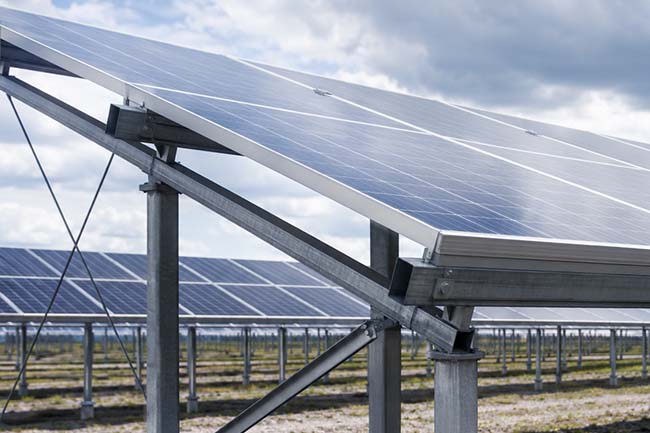
Solar energy fastening solutions are essential for creating stable, durable, and installation-friendly photovoltaic structures across rooftop systems, ground-mounted solar farms, tracker systems, carports, mounting rails, electrical equipment, and supporting frameworks. Solar installations operate outdoors for extended periods and may be exposed to wind loads, temperature changes, rain, humidity, dust, coastal air, and repeated thermal expansion. Fasteners must therefore be selected according to structural requirements, material compatibility, corrosion exposure, installation method, and long-term maintenance needs.
For solar mounting manufacturers, EPC contractors, photovoltaic system integrators, distributors, and industrial sourcing teams, choosing the correct bolt, screw, nut, washer, anchor, or custom component involves more than matching basic dimensions. Material grade, thread type, head geometry, surface treatment, locking method, installation access, and compatibility with aluminum or steel structures can all influence the performance of the finished assembly.
A practical solar fastener sourcing strategy combines standard industrial hardware with application-specific and custom components. This allows manufacturers and project buyers to manage fasteners for module mounting, rails, brackets, foundations, tracker structures, cable supports, inverter equipment, and other solar-system assemblies through a coordinated supply program.
Complete Fastening Support for Solar PV Structures and Equipment
Solar installations contain fastening points with very different functions. Module clamps require compact and repeatable hardware, structural frames may use high-strength bolts, rooftop systems may require specialized screws and anchors, tracker systems contain moving joints, and electrical equipment may use smaller screws, nuts, washers, and threaded inserts.
Flybear supports one-stop sourcing of standard and custom fasteners for solar energy projects, helping buyers consolidate bolts, screws, nuts, washers, threaded rods, anchors, rivets, pins, and drawing-based components according to the technical requirements of different photovoltaic assemblies.
Solar Energy Fastening Solutions for PV Module Mounting
PV modules are commonly installed onto rails, frames, clamps, or structural supports using a combination of bolts, nuts, washers, channel nuts, T-bolts, and specialized mounting hardware. These fasteners must provide secure clamping while remaining compatible with the module frame and mounting structure.
Because many solar module frames and mounting rails are made from aluminum, fastener material selection requires attention to corrosion compatibility as well as mechanical strength. Stainless steel fasteners are frequently considered for module mounting and exposed hardware because of their corrosion resistance, but the exact material grade and joint design should match project requirements.
Head shape and installation access can also affect assembly efficiency. Hex socket screws, flange bolts, T-bolts, and other compact fastening designs may be selected depending on rail geometry and installation tools. Where assembly crews need to install large quantities of fasteners quickly, standardized sizes and drive types can help simplify field operations.
The final fastening method should follow the mounting-system manufacturer’s design requirements, including clamp position, tightening procedure, fastener material, dimensions, and any specified washer or locking arrangement.
Fasteners for Rooftop Solar Mounting Systems
Rooftop photovoltaic systems require fastening components that connect solar rails, brackets, hooks, feet, or supports to the building structure. The appropriate fastener depends on the roof type, substrate, mounting design, waterproofing strategy, and expected structural loads.
Solar roof mounting assemblies may use lag screws, hanger bolts, self-drilling screws, structural screws, hex bolts, nuts, washers, and specialized anchors. Metal roofs, concrete roofs, tile roofs, and timber structures can each require different fastening approaches.
For metal-roof mounting, self-drilling or self-tapping screws may be used where permitted by the mounting-system design. These components should be selected according to sheet thickness, support material, thread design, drilling point geometry, and corrosion requirements.
Hanger bolts and other dual-thread components may be useful where one end connects to the supporting structure and the opposite threaded section supports a bracket or mounting rail. Custom dimensions can be produced when standard lengths do not match the roof build-up or mounting geometry.
Ground-Mounted Solar Structure Fasteners
Utility-scale and commercial ground-mounted solar projects use extensive steel or aluminum support structures. Posts, beams, braces, purlins, rails, module supports, and foundation interfaces can require a broad range of bolts, nuts, washers, screws, and anchor components.
Structural connections may use hex bolts, flange bolts, carriage bolts, U-bolts, threaded rods, and locking nuts depending on the mounting-system design. The required strength class should be defined according to engineering calculations and project specifications rather than selected solely on the basis of fastener availability.
Ground-mounted systems are continuously exposed to outdoor conditions, making corrosion protection an important specification. Fasteners may require stainless steel construction or protective coatings depending on the structural material and environmental exposure.
For large solar farms, fastener standardization can also provide practical procurement benefits. Reducing unnecessary variations in thread size, bolt length, and head style can simplify installation, inventory management, spare-parts planning, and field maintenance where engineering requirements permit standardization.
Fasteners for Solar Tracker Systems
Solar trackers introduce additional fastening requirements because parts of the mounting structure move throughout operation. Tracker assemblies may include torque tubes, bearings, drive mechanisms, structural brackets, linkages, motors, dampers, and module supports.
Fasteners used around moving assemblies can experience repeated dynamic loading, vibration, and changing joint forces. Proper preload, suitable locking methods, thread engagement, bearing surfaces, and dimensional consistency can therefore be important for maintaining stable connections.
Hex bolts, flange bolts, socket screws, lock nuts, washers, shoulder bolts, precision pins, and custom components may be used in tracker systems depending on the design.
Shoulder screws and precision pins can be useful where components require controlled alignment or rotational movement. In these cases, shoulder diameter, length, surface finish, and tolerance may be as important as the threaded section.
Where a standard catalog fastener cannot meet the required geometry, custom solar fasteners can be manufactured according to technical drawings for specific tracker applications.
Corrosion-Resistant Fasteners for Solar Installations
Photovoltaic systems are designed for long-term outdoor operation, so corrosion resistance is a central consideration when specifying exposed fasteners. Rain, humidity, condensation, industrial environments, and coastal air can all affect fastener condition over time.
Stainless steel fasteners are widely considered for exposed solar assemblies, particularly where corrosion resistance and low maintenance are priorities. Carbon or alloy steel fasteners can also be used with suitable protective coatings where the project specification permits them.
Available surface treatments may include zinc-based coatings, zinc flake systems, hot-dip galvanized finishes, or other corrosion-protection methods appropriate to the component and structure. The selected finish should be compatible with thread dimensions, mating materials, installation requirements, and the surrounding environment.
Corrosion protection should not be evaluated only by the fastener itself. The interaction between steel fasteners, stainless steel hardware, aluminum rails, galvanized structures, and other materials should be considered as part of the complete joint.
Stainless Steel Fasteners for Solar Mounting Systems
Stainless steel bolts, screws, nuts, and washers are commonly considered for solar mounting because they combine useful mechanical properties with corrosion resistance in many outdoor environments. They may be used for module clamps, rail connections, rooftop hardware, brackets, accessories, and electrical equipment.
However, stainless steel fasteners are available in different grades, and the correct selection should reflect environmental conditions, strength requirements, mating materials, and project specifications. A general request for “stainless steel solar bolts” may not provide enough technical information for controlled sourcing.
Thread behavior is also important during installation. Stainless steel threaded components should be assembled according to suitable installation procedures, particularly where repeated tightening or high installation loads are involved.
Procurement teams should specify the required material grade, thread, dimensions, finish condition, and any project-specific inspection requirements during quotation.
Fasteners for Aluminum Solar Rails and Frames
Aluminum is widely used in solar mounting rails, module frames, clamps, and lightweight structural components. Fasteners connecting these assemblies must be selected with attention to thread engagement, bearing pressure, installation torque, and material compatibility.
T-bolts and channel nuts are often useful in rail-based mounting systems because they can engage with specially shaped rail channels while allowing flexible positioning during installation. Socket screws, flange bolts, washers, and other components may also be used depending on the system design.
Where fasteners thread directly into aluminum components, adequate thread engagement and controlled tightening are important. Excessive installation force can damage softer mating threads even when the fastener itself has sufficient mechanical strength.
Threaded inserts or captive nuts may be used where repeatable assembly or stronger reusable threads are required. The appropriate solution depends on rail geometry, material thickness, production method, and maintenance needs.
Fastening Solutions for Solar Carports and Canopies
Solar carports combine photovoltaic mounting systems with larger structural steel or aluminum frameworks. These projects may require fasteners for columns, beams, braces, purlins, module rails, drainage components, accessories, and electrical supports.
Structural areas can use high-strength bolts, nuts, washers, threaded rods, and anchor components, while the PV mounting layer may use stainless steel screws, T-bolts, channel nuts, clamps, and smaller hardware.
Because carports are exposed structures, wind and weather conditions should be considered when engineering the fastening system. Structural fastener size, strength class, spacing, and installation requirements should always follow the approved project design.
For manufacturers producing modular carport systems, a coordinated fastener package can simplify packing and site assembly by grouping components according to each stage of installation.
Fasteners for Inverters and Electrical Equipment
Solar installations also include inverters, combiner boxes, control cabinets, monitoring equipment, battery-related equipment, cable management systems, and electrical enclosures. These assemblies typically require smaller fasteners than the main structural mounting system.
Machine screws, socket screws, flange screws, nuts, washers, rivet nuts, threaded inserts, standoffs, and captive fasteners can be used for covers, brackets, panels, supports, and internal components.
Where electrical equipment is located outdoors, corrosion protection and enclosure serviceability become important. Fasteners that must be removed during maintenance should provide reliable installation while allowing technicians to access equipment efficiently.
Captive screws and related fastening systems may be useful where removable covers are frequently opened and loose hardware would be inconvenient during servicing.
Vibration and Loosening Resistance in Solar Structures
Although solar modules do not normally generate mechanical vibration like industrial machinery, outdoor structures can experience repeated wind-induced movement, thermal expansion, and dynamic loads. Tracker systems can introduce additional movement through regular operation.
Joint stability depends on correct installation and preload as well as fastener selection. Lock nuts, serrated flange components, prevailing-torque nuts, locking washers, or other methods may be considered where specified by the structural design.
The selected locking method should be compatible with the fastener material, coating, installation torque, and maintenance requirements. Locking components should not be used as a substitute for correct joint design or installation procedures.
Custom Solar Fasteners for Specialized Mounting Systems
Solar equipment manufacturers increasingly develop proprietary mounting rails, brackets, trackers, clamps, roof attachments, and modular structural systems. Standard hardware may not always provide the required geometry for these designs.
Custom solar fasteners can include special T-bolts, hanger bolts, double-ended studs, shoulder screws, threaded pins, U-bolts, reduced-head bolts, captive components, combination screws, special washers, and other drawing-based parts.
Custom fasteners can help solve restricted installation space, simplify assembly, reduce the number of loose components, or provide geometry tailored to a proprietary mounting channel or bracket.
For efficient quotation and manufacturing, technical drawings should define material, dimensions, tolerances, thread requirements, mechanical properties, coating or surface finish, and inspection criteria. Critical characteristics should be clearly identified where they influence assembly or structural performance.
Fastener Quality Considerations for Solar Projects
Reliable solar fastener sourcing requires clear technical specifications and consistent product control. Buyers should confirm the applicable dimensional standard or drawing, material, strength requirement, thread specification, finish, quantity, packaging, and inspection needs before production begins.
Depending on the fastener and customer specification, inspection may include dimensional checks, thread inspection, hardness verification, tensile or proof-load testing, coating inspection, or material verification. The exact inspection program should match the product specification and project requirements.
For large photovoltaic projects, packaging and labeling can also influence site efficiency. Fasteners may need to be separated by mounting area, component type, project section, or installation sequence. These requirements should be communicated during procurement where project logistics depend on organized component delivery.
Fastener Selection for Solar Maintenance and Replacement
Solar fastening requirements continue after installation. Maintenance teams may need replacement bolts, screws, nuts, washers, clamps, anchors, or custom components during module replacement, tracker servicing, structural repairs, electrical maintenance, or system upgrades.
Replacement fasteners should match the technical requirements of the original assembly. Selecting a component only because the thread fits can lead to differences in strength, corrosion resistance, geometry, or installation behavior.
Material grade, thread pitch, length, head design, coating, and locking method should therefore be checked before replacement. Where proprietary or non-standard hardware is no longer readily available, a technical drawing can support custom production.
How to Prepare an RFQ for Solar Energy Fasteners
A detailed RFQ helps suppliers identify the correct fastening components and reduces unnecessary revisions during quotation. Solar equipment manufacturers and project buyers should provide the complete fastener specification whenever possible.
Recommended RFQ Information
- Fastener type and applicable standard
- Technical drawing and revision for custom parts
- Diameter, thread pitch, and overall length
- Material and required grade or property class
- Head style, drive type, or special geometry
- Surface treatment or corrosion-protection specification
- Application within the solar mounting system
- Structural or environmental requirements where relevant
- Critical dimensions and tolerances
- Required quantity and purchasing frequency
- Inspection and documentation requirements
- Packaging, labeling, and project identification requirements
If the final fastener design has not yet been determined, buyers can also provide information about the joint itself. Mounting material, rail profile, bracket thickness, installation access, environmental exposure, required adjustability, and maintenance conditions can help determine whether a standard fastener or custom solution is more appropriate.
One-Stop Fastener Sourcing for Solar Energy Projects
Solar mounting manufacturers and EPC contractors may need many different fastener families across module clamps, rails, brackets, foundations, trackers, carports, electrical equipment, and supporting structures. Managing separate sources for stainless steel hardware, high-strength structural bolts, self-drilling screws, T-bolts, nuts, washers, threaded rods, anchors, and custom components can increase procurement complexity.
A one-stop sourcing approach allows buyers to consolidate multiple product categories while maintaining the technical requirements of each fastening location. Standard hardware can be sourced efficiently for repeat applications, while custom components can be produced from drawings for proprietary mounting and tracker systems.
Whether the project involves residential rooftop PV, commercial solar installations, utility-scale solar farms, tracker systems, photovoltaic carports, or specialized mounting equipment, successful fastening starts with accurate specifications. Matching the fastener material, geometry, strength, corrosion protection, thread design, and installation method to the actual solar structure helps create reliable assemblies while supporting efficient production, installation, and long-term maintenance.