Wind Energy Fastening Solutions for Towers, Nacelles and Hubs
Wind energy fastening solutions are essential to the structural integrity, assembly efficiency, and long-term reliability of wind turbines operating under continuous vibration, cyclic loading, changing temperatures, moisture, and demanding outdoor environments. From tower flange connections and nacelle structures to hubs, drivetrain components, service platforms, and auxiliary equipment, every fastening point must be selected according to its mechanical load, installation method, material combination, corrosion exposure, and maintenance requirements.
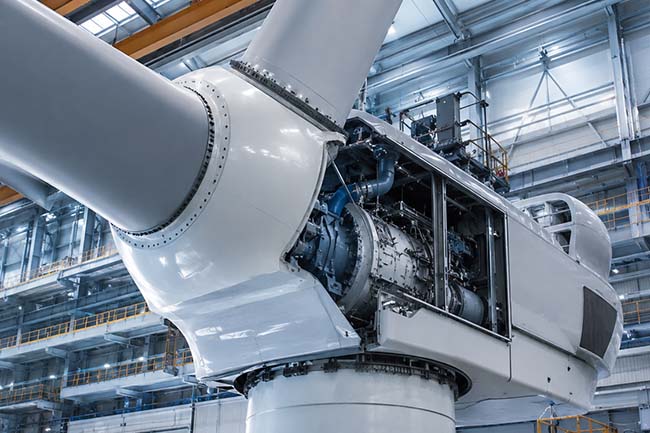
For wind turbine manufacturers, component producers, EPC contractors, maintenance companies, and industrial sourcing teams, fastener procurement involves much more than choosing a standard bolt and nut. Strength class, thread dimensions, coating system, tightening method, washer configuration, dimensional tolerances, and traceability requirements can all influence the performance of a bolted joint. A practical supply strategy therefore combines standard industrial fasteners with application-specific and custom components designed around the requirements of each turbine assembly.
Complete Fastening Support for Wind Turbine Assemblies
Modern wind turbines contain a wide range of mechanical connections, and the fastening requirements can vary significantly between the tower, nacelle, hub, drivetrain, access systems, and auxiliary structures. Large structural joints may require high-strength bolting systems capable of maintaining clamp load under cyclic stress, while equipment inside the nacelle may use smaller screws, nuts, washers, studs, and locking components for machinery, electrical systems, covers, and brackets.
Flybear supports one-stop sourcing of standard and custom fasteners for wind power projects, helping buyers consolidate multiple fastener categories, materials, strength grades, finishes, dimensional standards, and drawing-based parts within a coordinated industrial supply program.
Wind Energy Fastening Solutions for Tower Connections
Wind turbine towers must support substantial static and dynamic loads while transferring forces generated by the rotor and nacelle toward the foundation. Tower sections are commonly connected through large flanges, making bolted connections one of the most important structural fastening areas in the turbine.
High-strength bolts, heavy-duty nuts, hardened washers, studs, and other structural fastening components may be used depending on the tower design and engineering specification. The selected fasteners must be compatible with the required preload, flange geometry, tightening procedure, and operating environment.
For tower flange applications, consistency across the complete fastening set is particularly important. Bolt dimensions, thread geometry, nut compatibility, washer hardness, surface condition, and coating should be considered together. Even when components are sourced separately, they should be specified as part of a complete bolted joint rather than treated as unrelated commodity items.
Installation procedures also influence fastener selection. Depending on the turbine design, tightening may involve torque-controlled, tension-controlled, hydraulic, or other engineered preload methods. Buyers should therefore communicate the intended installation method during the sourcing stage so that the fastener configuration can be evaluated against the assembly process.
High-Strength Wind Turbine Bolts for Structural Applications
Many structural wind turbine connections require high-strength fasteners because the joints must withstand repeated loading over long operating periods. Alloy steel is commonly considered for demanding structural applications where high tensile strength and reliable clamping performance are required.
The appropriate strength class or grade should always be defined by the turbine designer or relevant engineering specification. Fastener suppliers should not substitute one grade for another simply because the dimensions are identical. Changes in material, heat treatment, hardness, tensile properties, or coating can influence joint behavior and installation requirements.
In addition to bolts, the complete assembly may include matched nuts and washers selected to support the specified load conditions. Thread quality, bearing surfaces, dimensional control, and surface condition can all contribute to tightening consistency and should be included in purchasing and inspection requirements.
Fastening Solutions for Wind Turbine Nacelles
The nacelle contains many of the turbine’s mechanical, electrical, and control components. Depending on turbine architecture, assemblies can include the main shaft, gearbox, generator, bearing housings, frames, cooling systems, electrical cabinets, covers, service equipment, platforms, and numerous supporting brackets.
Fasteners used inside and around the nacelle may include hex bolts, socket head cap screws, flange bolts, machine screws, studs, nuts, lock nuts, flat washers, spring-type locking components, pins, and custom machined fasteners. Different fastening systems may be required for structural frames, equipment mounting, removable covers, cable supports, and serviceable components.
Space can be limited inside nacelle assemblies, making head geometry and tool access important considerations. Socket screws or flange fasteners may be appropriate where compact installation is required, while studs can simplify alignment when large housings or equipment must be positioned before final tightening.
Maintenance requirements should also influence the fastening strategy. Components that require periodic inspection or replacement should use fastening solutions that allow practical access and controlled disassembly without unnecessarily complicating servicing procedures.
Hub and Rotor Fastening Solutions
The hub transfers loads between the rotor blades and the drivetrain, placing significant demands on its fastening systems. Hub assemblies may include blade interfaces, pitch systems, bearing connections, covers, brackets, access components, and internal equipment.
Wind turbine bolts used around hub and rotor assemblies must be selected according to the specific mechanical load and installation conditions. Depending on the joint design, large-diameter bolts, studs, nuts, hardened washers, and specially manufactured components may be required.
Repeated rotational loading and vibration make preload control particularly important in these assemblies. The performance of the bolted joint depends not only on the nominal strength of the bolt but also on factors such as thread engagement, contact surfaces, friction conditions, tightening procedure, joint stiffness, and the behavior of the connected components.
Where standard fasteners cannot satisfy the required geometry, custom wind turbine fasteners can be produced according to technical drawings with application-specific dimensions, shoulders, thread lengths, head forms, or other functional features.
Fasteners for Drivetrain and Mechanical Equipment
Wind turbine drivetrain assemblies contain mechanical components that may experience vibration, torque, temperature variation, and repeated operational loading. Gearboxes, generators, bearing housings, brake assemblies, couplings, support frames, pumps, and related components can require different types of high-strength and precision fasteners.
Common options include socket head screws, hex bolts, flange bolts, studs, precision pins, nuts, washers, and locking systems. The correct solution depends on the available installation space, required clamp load, service conditions, mating materials, and maintenance procedure.
For precision equipment, dimensional accuracy can be especially important. Shoulder dimensions, unthreaded sections, thread lengths, head heights, and concentricity requirements may affect positioning and assembly. Buyers sourcing non-standard drivetrain fasteners should provide detailed drawings that clearly identify critical dimensions and tolerances.
Corrosion-Resistant Fasteners for Outdoor Wind Energy Applications
Wind turbines operate outdoors for extended periods and may be exposed to humidity, rain, condensation, temperature changes, industrial atmospheres, and, in some locations, marine or salt-containing environments. Surface protection is therefore an important part of wind turbine fastener selection.
Depending on the application and engineering specification, finishing options may include zinc-based coatings, zinc flake systems, mechanical coatings, phosphate treatments, hot-dip galvanizing, or other protective surface systems. Stainless steel fasteners may also be considered for selected applications where corrosion resistance is a primary requirement.
The coating must be compatible with fastener dimensions, thread fit, required friction characteristics, mating components, and tightening procedures. A coating that provides suitable corrosion protection but changes friction behavior may also affect the relationship between applied torque and bolt preload.
For high-strength steel fasteners, coating processes should be reviewed carefully in relation to the material and application requirements. Buyers should specify the required finish during quotation and identify any project-specific corrosion testing, friction, appearance, or coating-thickness requirements before production.
Fasteners for Offshore Wind Turbine Applications
Offshore wind installations create additional challenges because fasteners may operate in highly corrosive environments with difficult maintenance access. Humidity, salt exposure, temperature changes, and long service intervals make material and coating selection particularly important.
Not every fastener in an offshore turbine requires the same corrosion-protection system. Structural connections, enclosed nacelle components, external brackets, service platforms, cable systems, and auxiliary equipment can experience different levels of exposure. Fastener specifications should therefore be matched to the actual installation environment instead of applying one finish indiscriminately across the complete turbine.
For offshore projects, sourcing teams should provide information about exposure conditions, material requirements, coating specifications, dimensional requirements, and required documentation as early as possible. This helps suppliers determine whether an existing standard component is suitable or whether an application-specific part is needed.
Standard and Custom Wind Turbine Fasteners
Many wind turbine assemblies use fasteners manufactured according to recognized ISO, DIN, EN, ASTM, or other dimensional and mechanical standards. Standard products can simplify procurement where the engineering specification permits commonly available configurations.
However, wind energy equipment frequently includes special structures and machinery that require non-standard fastening components. Custom wind turbine fasteners may include oversized bolts, special studs, long-length threaded components, stepped shafts, special shoulders, reduced shanks, unique head geometries, special thread lengths, precision pins, and other drawing-based parts.
When requesting custom parts, buyers should provide a complete engineering drawing whenever possible. Important information can include material, strength requirements, dimensions, tolerances, thread specification, heat treatment, finish, inspection characteristics, and packaging requirements.
Early technical communication can also help identify manufacturing considerations before production begins, particularly for large-diameter fasteners, unusual length-to-diameter ratios, complex machined features, or parts that require multiple forming, machining, heat-treatment, and surface-finishing operations.
Fastener Quality Considerations for Wind Power Projects
Fasteners used in wind turbine assemblies should be sourced against clearly defined technical requirements. Procurement teams should confirm the dimensional standard or drawing revision, material, mechanical properties, thread configuration, surface treatment, inspection requirements, and packaging before issuing production orders.
Depending on the component and customer specification, verification may include dimensional inspection, thread inspection, hardness testing, tensile testing, proof-load testing, chemical composition verification, coating inspection, or other project-defined checks. The exact inspection program should be agreed according to the fastener specification and application requirements.
Traceability can also be important for structural and critical components. If batch identification, material documentation, manufacturing records, or specific inspection documents are required, these expectations should be communicated before quotation and production rather than after the goods have been completed.
Fastener Selection for Wind Turbine Maintenance and Replacement
Fastener requirements continue throughout the operating life of a wind turbine. Maintenance teams may need replacement bolts, nuts, washers, studs, pins, and specialty fasteners for scheduled servicing, component replacement, upgrades, or repair activities.
Replacement fasteners should be matched carefully to the original technical requirements. Selecting a bolt only by diameter and length is not sufficient for structural or mechanical applications. Strength class, thread pitch, material, finish, geometry, and installation requirements should also be verified.
When the original fastener is non-standard or difficult to source, a technical drawing or a complete specification can be used to evaluate custom production. This can be especially useful for older equipment platforms or assemblies where replacement components are no longer readily available as standard stock items.
How to Prepare an RFQ for Wind Energy Fasteners
A complete RFQ enables faster technical evaluation and reduces the risk of specification misunderstandings. Buyers sourcing wind energy fastening solutions should provide detailed information about both the component and its application.
Recommended RFQ Information
- Fastener type and applicable dimensional standard
- Technical drawing and revision for custom parts
- Diameter, thread pitch, and overall length
- Material and required strength class or grade
- Heat-treatment requirements where applicable
- Surface treatment or corrosion-protection specification
- Required quantity and expected purchasing frequency
- Application location within the turbine
- Critical dimensions and tolerances
- Inspection and documentation requirements
- Packaging, labeling, and traceability requirements
If the exact fastener specification has not yet been finalized, buyers can also provide information about the joint itself, including the connected materials, loading conditions, operating environment, assembly method, installation access, and maintenance requirements. These details can help determine whether a standard fastener or custom solution is more appropriate.
One-Stop Fastener Sourcing for Wind Energy Projects
A single wind turbine can require many different fastening categories across structural, mechanical, electrical, access, and maintenance systems. Managing multiple suppliers for bolts, nuts, washers, screws, studs, pins, specialty components, and custom parts can increase purchasing complexity, especially for international projects involving multiple turbine models or component manufacturers.
A consolidated sourcing strategy can help purchasing teams manage standard and custom industrial fasteners through fewer procurement channels while maintaining separate technical specifications for each application. Product families can be organized according to material, strength class, coating, standard, size range, and usage location to simplify repeat purchasing and inventory planning.
Whether the requirement involves tower flange bolts, nacelle fasteners, hub and rotor connections, drivetrain hardware, offshore wind fasteners, or custom components manufactured from drawings, successful sourcing begins with an accurate understanding of the joint and its operating environment. Selecting the appropriate material, strength level, geometry, coating, and installation method helps create reliable fastening systems for both new wind turbine production and ongoing maintenance programs.