Industrial Machinery Fastening Solutions for Production Equipment
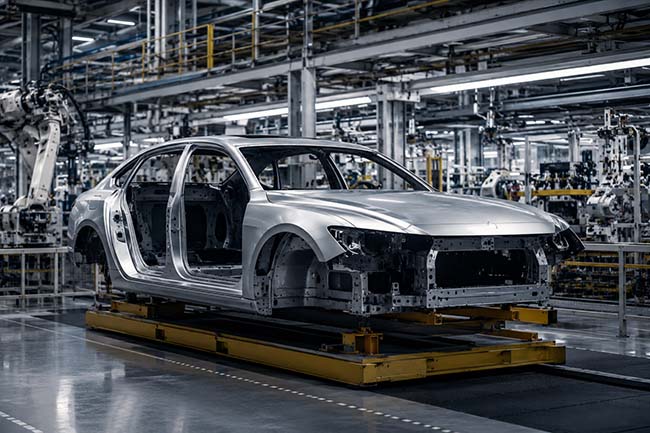
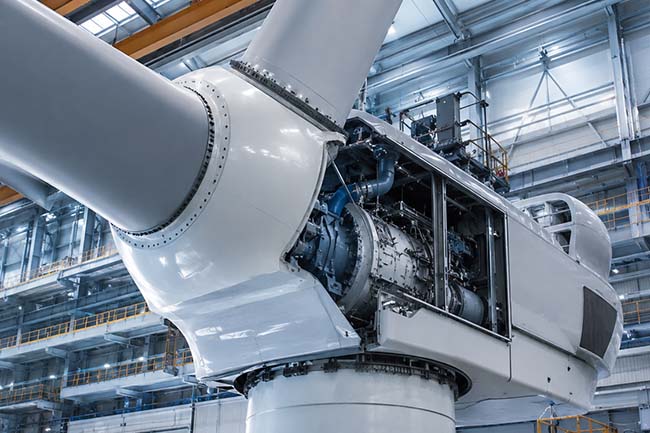
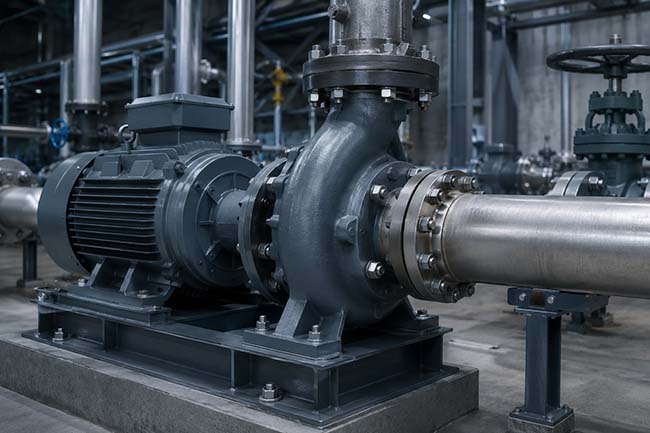
Industrial machinery fastening solutions are essential for maintaining the strength, precision, reliability, and serviceability of production equipment. From machine tools and automated assembly systems to conveyors, packaging machinery, presses, material-handling equipment, pumps, motors, and processing lines, fasteners connect structural frames, moving mechanisms, protective covers, tooling, electrical components, and supporting systems throughout the machine.
Industrial machinery operates under a wide range of conditions, including continuous vibration, cyclic loads, impact, temperature variation, lubricants, moisture, chemicals, and frequent maintenance. Because these conditions differ from one machine to another, fastener selection should consider much more than basic diameter and length. Material, property class, thread design, head style, coating, locking method, installation torque, dimensional tolerance, and maintenance requirements can all influence the performance of the finished joint.
For machinery manufacturers, OEMs, system integrators, maintenance contractors, distributors, and industrial sourcing teams, an effective procurement strategy combines readily available standard fasteners with application-specific and custom components. This approach helps manufacturers support both new equipment production and long-term replacement-part requirements.
Complete Fastening Support for Industrial Machinery and Production Lines
Production equipment can contain hundreds or thousands of fastening points, each serving a different function. A machine frame may rely on high-strength bolts to maintain structural rigidity, while guarding systems may use smaller screws designed for quick removal. Precision motion assemblies may require shoulder screws, dowel pins, or specially machined components, and electrical cabinets may use screws, washers, nuts, and threaded inserts selected for efficient installation and service.
Flybear supports one-stop sourcing of standard and custom fasteners for industrial machinery projects, helping buyers consolidate bolts, screws, nuts, washers, pins, rivets, threaded components, and drawing-based parts according to the technical requirements of different equipment assemblies.
Industrial Machinery Fastening Solutions for Machine Frames
Machine frames, bases, columns, supports, and welded structures provide the foundation for production equipment. Fasteners used in these areas may need to maintain alignment and clamp load while resisting vibration and dynamic forces generated during machine operation.
Hex bolts, socket head cap screws, flange bolts, studs, nuts, lock nuts, and hardened washers are commonly considered for structural machine assemblies. Depending on the required strength and joint design, carbon steel or alloy steel fasteners in appropriate property classes may be specified.
The fastener should be matched to the complete joint rather than selected as an isolated component. Engineers should consider the thickness and strength of the connected parts, available thread engagement, bearing area, expected loading, tightening procedure, and whether the joint will be disassembled during machine servicing.
Where machine rigidity and alignment are particularly important, bolts may be used together with precision locating features such as dowel pins. In these cases, the fastener primarily provides clamping force while the locating component helps maintain repeatable positioning between assembled machine sections.
High-Strength Bolts for Heavy Production Equipment
Heavy industrial machinery can generate substantial static, dynamic, and impact loads. Presses, forming equipment, heavy conveyors, material-processing machinery, industrial gearboxes, and large manufacturing systems may therefore require high-strength fastening components.
High-strength bolts should be specified according to the mechanical requirements of the joint. Property classes such as 8.8, 10.9, or 12.9 may be considered for metric fasteners where appropriate, but the final class should always follow the equipment designer’s specification.
Increasing fastener strength does not automatically improve every joint. Higher-strength fasteners may have different installation, coating, and service considerations, while the connected component may still determine the practical load capability of the assembly. Proper thread engagement, preload, washer selection, bearing surfaces, and tightening procedures remain important even when a high-strength bolt is used.
Fasteners for CNC Machines and Precision Equipment
CNC machine tools, machining centers, grinding equipment, measurement systems, robotics, and other precision machinery depend on accurate positioning. Fasteners in these applications may connect linear guides, brackets, covers, support structures, motors, sensors, tooling systems, and precision mechanical components.
Socket head cap screws are frequently useful in precision machinery because their compact cylindrical head and internal drive can provide convenient tool access in restricted spaces. Low-head and countersunk screws may also be selected where surrounding components require additional clearance.
Shoulder screws, precision pins, dowel pins, and custom machined fasteners can support applications requiring controlled positioning or rotational movement. In such cases, shoulder diameter, length, concentricity, surface finish, and dimensional tolerances can be as important as the thread itself.
Buyers sourcing precision machine fasteners should provide detailed drawings when critical dimensions differ from standard products. Clearly identifying tolerances and functional surfaces helps suppliers evaluate the most suitable production and inspection processes.
Fastening Solutions for Automated Assembly Equipment
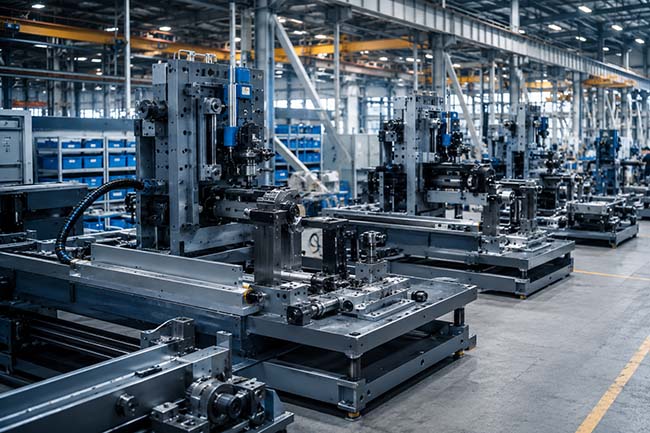
Automation equipment combines mechanical frames, robotic systems, sensors, pneumatic components, electric actuators, fixtures, guarding, control equipment, and material-handling modules. These assemblies can require many different fastener families within the same production line.
Machine screws, socket screws, flange bolts, T-slot fasteners, nuts, washers, rivet nuts, threaded inserts, shoulder screws, pins, and custom components can all be used according to the machine design.
Production-line builders often need to balance reliable fastening with rapid machine assembly. Fasteners with integrated flange surfaces or captive washers can reduce the number of loose components handled during assembly. Threaded inserts and rivet nuts can provide practical threaded attachment points in thin sections or structures where access to the back of the joint is difficult.
For modular automation equipment, standardizing frequently used thread sizes and fastener types can simplify installation, spare-parts management, and maintenance. However, standardization should not override the mechanical requirements of individual joints.
Vibration-Resistant Fasteners for Moving Machinery
Industrial machinery may generate continuous vibration from motors, pumps, gears, rotating tools, reciprocating mechanisms, and production processes. Repeated vibration can contribute to loss of preload or loosening if a joint is not designed and installed correctly.
Vibration resistance depends on the complete joint system. Correct preload, sufficient thread engagement, suitable contact surfaces, joint stiffness, locking features, and controlled tightening can all contribute to stable fastening performance.
Depending on the machine design, locking options may include prevailing-torque nuts, lock nuts, serrated flange fasteners, mechanical locking components, locking washers, or other engineered systems. The appropriate solution should reflect the operating conditions and maintenance requirements.
Connections that require frequent servicing may need a locking method that allows controlled disassembly, while permanent or rarely serviced joints may use a different approach. Maintenance frequency should therefore be considered during the original fastener-selection process.
Fasteners for Motors, Gearboxes and Power Transmission Systems
Electric motors, gear reducers, couplings, bearing housings, pumps, compressors, and drivetrain components contain fastening points that may experience torque, vibration, changing temperatures, and repeated operating loads.
Hex bolts, socket screws, flange bolts, studs, nuts, washers, retaining components, and precision pins can be specified according to the equipment design. Studs can be useful when heavy housings require alignment before final assembly or when repeated component removal could otherwise wear threaded holes in the main structure.
Fasteners around power transmission systems should be selected with particular attention to preload and alignment. Loose or incorrectly tightened connections can affect equipment stability, while dimensional inconsistency in locating components may influence shaft or housing positioning.
Where non-standard shoulders, shanks, thread lengths, or head profiles are required, custom machinery fasteners can be manufactured according to customer drawings.
Fastening Solutions for Conveyor and Material-Handling Equipment
Conveyor systems operate across manufacturing plants, warehouses, packaging lines, food-processing facilities, distribution centers, and automated material-handling environments. Their fasteners connect frames, brackets, rollers, drive units, side guides, supports, guards, sensors, and accessories.
Different conveyor sections can require different fastening characteristics. Structural frames may prioritize strength and rigidity, adjustment points may require easy repositioning, and access covers may require rapid removal during maintenance.
Hex bolts, carriage bolts, flange bolts, U-bolts, machine screws, nuts, washers, threaded rods, pins, and custom brackets or fastening components can be used depending on the assembly.
For equipment operating in wet or corrosive environments, stainless steel or suitable surface-treated fasteners may be considered. The final material and finish should be selected according to the actual exposure conditions and compatibility with the conveyor structure.
Fasteners for Packaging and Processing Machinery
Packaging machines, filling systems, labeling machines, inspection equipment, printing machinery, and process equipment frequently combine stainless steel, aluminum, carbon steel, plastics, and engineering materials within compact assemblies.
These machines can require standard screws and bolts as well as smaller precision components, thumb screws, captive fasteners, threaded inserts, spacers, pins, and custom machined parts. Fasteners used around removable guards or adjustment areas may be selected with serviceability in mind.
Where equipment operates in washdown, humid, or chemically exposed environments, corrosion resistance becomes more important. Material and surface-treatment choices should reflect the actual operating environment as well as the requirements of the machine manufacturer.
Material Selection for Industrial Machinery Fasteners
Industrial fasteners are available in a variety of materials to match different load, environmental, weight, and cost requirements. Carbon steel is widely used for general machinery because it provides a practical balance of mechanical performance, availability, and manufacturing flexibility.
Alloy steel is commonly considered for higher-strength applications, particularly in structural joints and heavily loaded mechanical assemblies. Stainless steel can be appropriate where corrosion resistance is more important, including machinery exposed to humidity, cleaning processes, or selected chemical environments.
Brass, aluminum, and other materials may be specified for specialized equipment where electrical characteristics, corrosion behavior, weight, appearance, or material compatibility are important.
Changing fastener material should always be evaluated carefully. A stainless steel fastener, for example, should not automatically replace a specified high-strength alloy steel bolt simply because stainless steel offers improved corrosion resistance. Mechanical properties, thread strength, mating materials, temperature, and installation requirements must also be considered.
Surface Treatments and Corrosion Protection
Fastener surface treatment can influence corrosion protection, appearance, friction, assembly behavior, and long-term maintenance. Common industrial finishing options may include zinc plating, zinc flake coatings, black oxide, phosphate treatments, nickel-based finishes, and other application-specific systems.
The required coating should be defined according to the operating environment and customer specification. Machinery installed inside a controlled factory environment may have different corrosion requirements from equipment used outdoors or in humid production areas.
Coating thickness can also affect threaded dimensions, especially on smaller or closely toleranced fasteners. Friction characteristics should be considered for joints where tightening torque and preload are controlled.
For high-strength steel fasteners, manufacturing and surface-treatment processes should be evaluated with appropriate attention to material-related risks such as hydrogen embrittlement. Buyers should communicate all required coating, testing, and process specifications before production.
Standard and Custom Machinery Fasteners
Many production machines can be assembled using fasteners manufactured to common ISO, DIN, ANSI, or other recognized standards. Standardization can improve availability and simplify maintenance because replacement parts can be identified more easily.
However, specialized machinery often includes fastening points that cannot be satisfied by standard catalog dimensions. Custom machinery fasteners may include special shoulder bolts, stepped pins, threaded shafts, captive screws, extra-long bolts, special studs, reduced-head screws, combination fasteners, spacers, and components manufactured entirely from customer drawings.
Custom production can also help designers combine several features into one part, reduce the number of individual components, or accommodate restricted installation space.
A detailed engineering drawing should define the material, dimensions, tolerances, thread configuration, mechanical requirements, heat treatment where applicable, surface finish, and inspection requirements. Critical characteristics should be clearly identified to support manufacturing and quality control.
Fastener Selection for Equipment Maintenance and Repair
Industrial machinery fastening requirements continue long after the initial machine is delivered. Maintenance departments need replacement fasteners for preventive maintenance, component replacement, machine rebuilding, production-line modifications, and emergency repairs.
Replacement parts should match the original technical requirements rather than simply fitting the same hole. Diameter, thread pitch, length, property class, material, head style, coating, and any special geometry should be checked before substitution.
This becomes particularly important for older machines where original components may no longer be available from stock. If the required fastener has special geometry, a drawing or accurate technical specification can be used to evaluate custom manufacturing.
For OEMs, maintaining clear fastener specifications can also simplify aftermarket spare-parts programs and reduce the risk of unsuitable components being installed during field maintenance.
Quality Considerations for Production Equipment Fasteners
Reliable machinery production requires consistency between purchased fasteners and engineering specifications. Before production, buyers should confirm the product standard or drawing revision, material, property class, thread dimensions, finish, quantity, packaging, and required inspection criteria.
Depending on the product specification, inspection may include dimensional verification, thread inspection, hardness testing, tensile or proof-load testing, coating inspection, material verification, or other customer-defined checks.
For precision custom components, critical dimensions should be identified during the RFQ process so that inspection methods can be planned before manufacturing begins. This is particularly useful for shoulder diameters, locating features, precision pins, close-tolerance lengths, and machined surfaces.
If batch identification, inspection documentation, material records, or specific labeling is required, these expectations should also be established before quotation and production.
Fastener Standardization and One-Stop Procurement
Machinery OEMs often purchase a large number of similar fasteners across multiple machine models. Without coordinated specifications, the same facility may accumulate unnecessary variations in thread size, length, head style, material, or coating.
A structured fastener review can help purchasing and engineering teams identify opportunities to standardize commonly used parts without compromising technical performance. Fewer unnecessary variants can simplify purchasing, inventory management, assembly, and maintenance.
One-stop sourcing can further reduce procurement complexity by consolidating bolts, screws, nuts, washers, threaded rods, pins, rivets, inserts, and drawing-based parts through a coordinated supplier channel. This can be particularly useful for equipment manufacturers that require both high-volume standard hardware and smaller quantities of custom components.
How to Prepare an RFQ for Industrial Machinery Fasteners
A detailed RFQ helps suppliers understand the technical and commercial requirements of a machinery project and reduces unnecessary clarification during quotation. For standard parts, the applicable standard and complete size designation should be supplied whenever available. For custom components, technical drawings are strongly recommended.
Recommended RFQ Information
- Fastener type and applicable standard
- Technical drawing and revision for custom parts
- Diameter, thread pitch, and length
- Material and required property class or grade
- Head style and drive type
- Surface treatment or coating requirement
- Critical dimensions and tolerances
- Required order quantity and purchasing frequency
- Application within the production equipment
- Operating environment and corrosion exposure
- Inspection and documentation requirements
- Packaging and labeling requirements
When the final fastener specification has not yet been determined, engineers can provide information about the joint itself. Connected materials, expected loads, vibration, temperature, installation space, assembly tools, maintenance frequency, and corrosion exposure can all help determine which fastener configuration is appropriate.
One-Stop Fastening Solutions for Production Equipment Manufacturers
Industrial machinery manufacturers must manage fastening requirements across structural frames, precision assemblies, drive systems, guarding, electrical equipment, conveyors, automation modules, and service components. The technical demands of these joints can range from simple removable attachments to high-strength connections and close-tolerance precision parts.
A practical sourcing strategy should therefore combine standardization with application-specific selection. Common fasteners can be standardized where engineering requirements allow, while special components can be manufactured according to drawings when machinery geometry or performance requires a non-standard solution.
Whether the project involves CNC machinery, factory automation, packaging lines, processing equipment, conveyors, heavy production machinery, or customized manufacturing systems, reliable fastener sourcing starts with accurate technical information. Selecting the correct material, property class, geometry, finish, locking method, and dimensional specification helps manufacturers create production equipment that is easier to assemble, maintain, and support throughout its operating life.