Heavy Equipment & Mining Fastening Solutions for Demanding Machinery
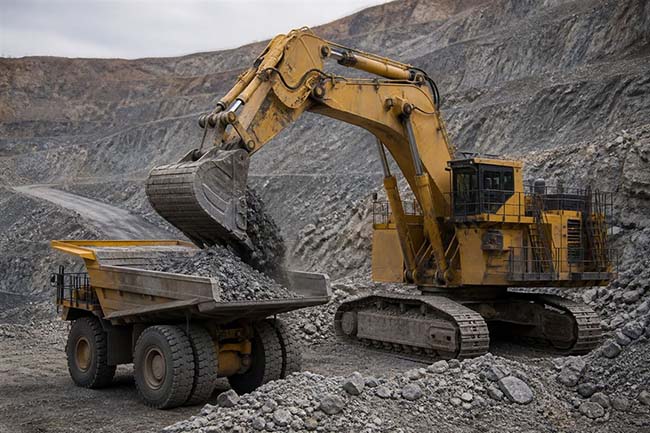
Heavy equipment and mining fastening solutions are essential for maintaining reliable mechanical connections across excavators, loaders, haul trucks, crushers, conveyors, drilling equipment, screening systems, processing machinery, and other equipment operating in demanding industrial environments. These machines are frequently exposed to vibration, shock loading, abrasive dust, mud, moisture, changing temperatures, and repeated operating cycles, placing significant demands on bolts, screws, studs, nuts, washers, pins, and other fastening components.
For mining equipment manufacturers, construction machinery OEMs, maintenance contractors, distributors, processing-plant operators, and industrial procurement teams, fastener selection involves much more than matching diameter and length. Material grade, mechanical strength, thread design, head geometry, surface treatment, locking method, dimensional tolerance, installation procedure, abrasion exposure, and maintenance frequency can all influence the performance of the completed joint.
A practical sourcing strategy combines standard high-strength industrial fasteners with precision and custom components where conventional catalog products cannot meet the geometry or mechanical requirements of heavy machinery. Accurate specifications help manufacturers and MRO teams support both original equipment production and long-term replacement requirements.
Complete Fastening Support for Heavy Equipment and Mining Machinery
Mining and heavy equipment contain fastening points with very different functions. Structural frames may require high-strength bolts, crushers can use heavy-duty fastening systems around housings and supports, conveyors require bolts and threaded components throughout frames and drive systems, and mobile machinery may need precision pins and custom components in articulated assemblies.
Flybear supports one-stop sourcing of standard and custom fasteners for heavy equipment and mining projects, helping buyers consolidate high-strength bolts, socket screws, studs, nuts, washers, threaded rods, U-bolts, pins, locking components, and drawing-based parts according to the technical requirements of different machinery assemblies.
Heavy Equipment and Mining Fastening Solutions for Structural Assemblies
Heavy machinery depends on strong structural frames, fabricated supports, brackets, housings, and equipment bases. These components must remain securely connected while the machine experiences static loads, dynamic loading, impact, and vibration.
Hex bolts, flange bolts, socket head cap screws, studs, nuts, hardened washers, and threaded rods may be used depending on the equipment design. High-strength fasteners can provide the mechanical capability required for demanding joints, but the fastener grade should always follow the engineering specification.
The complete joint should be considered during fastener selection. Connected plate thickness, material strength, thread engagement, bearing surfaces, installation access, and preload requirements all influence connection performance.
Where equipment structures require accurate repeatable alignment, bolts may be combined with dowel pins, shoulder components, or other locating features. In these assemblies, the fastener provides clamp load while the locating component controls position.
High-Strength Bolts for Mining Machinery
Mining machinery frequently uses high-strength fastening components because equipment must handle substantial working loads and harsh operating conditions. Crushers, screens, mills, conveyors, loaders, excavators, and drilling systems can all contain joints where mechanical strength is a key requirement.
Metric property classes such as 8.8, 10.9, or 12.9 may be considered where specified by the machine designer. The appropriate class depends on the actual joint and should not be selected solely because a higher number appears stronger.
A high-strength bolt should be matched with compatible nuts and washers. Thread engagement, nut mechanical properties, washer hardness, bearing area, and installation preload all contribute to joint performance.
Surface treatment is also important. A coating must provide the required environmental protection while remaining compatible with the material, thread tolerances, and installation process.
Fasteners for Excavators and Earthmoving Equipment
Excavators, wheel loaders, bulldozers, graders, and other earthmoving machines contain structural frames, engine compartments, hydraulic systems, cabs, tracks, attachments, covers, and articulated mechanisms. Their fasteners may experience impact, vibration, contamination, and repeated maintenance.
Hex bolts, flange bolts, socket screws, studs, lock nuts, washers, pins, and custom threaded components can be used throughout these assemblies. Structural joints may prioritize high mechanical strength, while access covers and service panels may require fasteners that can be removed efficiently during maintenance.
Articulated and pivoting assemblies may use precision pins, shoulder bolts, or specially machined fastening components. For these parts, diameter, tolerance, surface finish, shoulder length, and retaining features can be as important as the threaded portion.
Where equipment manufacturers use proprietary mechanical layouts, custom heavy equipment fasteners can be produced according to engineering drawings.
Fastening Solutions for Mining Haul Trucks
Mining haul trucks operate under heavy loads on rough roads and work continuously in dusty, abrasive environments. Their assemblies include chassis structures, suspension components, powertrain systems, body structures, hydraulic equipment, access platforms, and service components.
Fasteners used in these machines may need to resist repeated vibration and shock loading while remaining serviceable during scheduled maintenance. High-strength bolts, flange bolts, studs, lock nuts, washers, and precision pins may be specified according to each assembly.
Fastener replacement should be controlled carefully during maintenance. A replacement component should match the required material, property class, thread, dimensions, geometry, and finish rather than being selected only because it fits the same hole.
For older or specialized haul trucks, custom fasteners can help support maintenance when original non-standard parts are difficult to source.
Fasteners for Crushers and Mineral Processing Equipment
Jaw crushers, cone crushers, impact crushers, grinding equipment, feeders, screens, and other mineral-processing machinery operate under substantial vibration, cyclic loads, and abrasive conditions. Their fastening systems may secure frames, housings, guards, bearing supports, drive units, and replaceable components.
High-strength bolts and studs may be required around structural and mechanical assemblies, while socket screws, flange bolts, nuts, washers, and pins can support smaller equipment components.
Vibration-resistant joint design is especially important. Correct preload, sufficient thread engagement, suitable bearing surfaces, compatible locking methods, and appropriate installation procedures can help maintain joint stability.
Fasteners positioned near material flow may also be exposed to dust and abrasive particles. Head geometry, accessibility, and protection from contamination can influence maintenance efficiency.
Fastening Solutions for Mining Conveyors
Conveyor systems transport ore, aggregate, coal, and other bulk materials across mines and processing facilities. Their assemblies include frames, rollers, pulleys, drive systems, supports, guards, platforms, brackets, and belt-related components.
Hex bolts, carriage bolts, flange bolts, U-bolts, threaded rods, nuts, washers, and custom components can be used across conveyor structures. Structural areas may require stronger fastening systems, while guards and maintenance covers may use hardware selected for easier removal.
Conveyors can extend over long distances, making fastener standardization valuable for installation and maintenance. Where engineering requirements permit, using consistent thread sizes, nut types, and drive configurations can simplify spare-parts management.
Outdoor conveyor systems also require suitable corrosion protection, particularly in wet, humid, or chemically exposed locations.
Fasteners for Drilling and Rock-Handling Equipment
Drilling rigs, rock drills, breakers, and related mining equipment experience impact loads, vibration, and contamination. Mechanical connections in these machines must remain stable while allowing service teams to inspect and replace wear components.
High-strength bolts, socket screws, studs, nuts, washers, threaded shafts, and precision pins may be required depending on the machine design. Fasteners around moving assemblies may also require special geometry or controlled clearances.
Custom shoulder screws, threaded pins, or machined studs can be useful when the equipment contains proprietary connection points that cannot be served by standard hardware.
Detailed drawings should identify dimensions, tolerances, material, mechanical properties, thread requirements, finish, and critical functional features before custom production begins.
Vibration-Resistant Fasteners for Heavy Machinery
Vibration is common throughout mining and construction equipment. Engines, hydraulic pumps, crushers, screens, drives, rotating shafts, and machine movement can subject fastened joints to repeated mechanical excitation.
Reliable vibration resistance begins with correct joint design. Adequate preload, sufficient thread engagement, suitable contact surfaces, fastener strength, and controlled tightening all contribute to joint stability.
Where additional resistance to loosening is required, lock nuts, prevailing-torque nuts, serrated flange components, mechanical locking washers, or other specified locking systems may be used.
The selected locking method should reflect maintenance frequency. Components requiring regular servicing may benefit from reusable locking systems, while less frequently accessed joints may follow different design priorities.
Fasteners for Hydraulic Systems and Fluid Equipment
Heavy equipment relies extensively on hydraulic systems to operate booms, buckets, steering mechanisms, braking systems, cylinders, and other working components. Fasteners may secure pumps, manifolds, valve blocks, reservoirs, hose supports, filters, and hydraulic equipment brackets.
Socket screws, flange bolts, studs, nuts, washers, clamps, and custom fasteners can be used according to the assembly design. Fasteners around hydraulic components should be selected with vibration, fluid exposure, maintenance access, and connected material in mind.
Where a fastening component contributes to a pressure-bearing enclosure or critical hydraulic assembly, the equipment manufacturer’s specification should take priority over general industrial fastener practices.
Custom fasteners may be required for hydraulic manifolds and specialized housings where standard thread lengths or head geometries do not fit the available space.
Fasteners for Engines, Gearboxes and Powertrain Systems
Mining and heavy equipment powertrains include engines, transmissions, gearboxes, axles, drive systems, couplings, and bearing housings. These components operate under vibration, torque, heat, and changing mechanical loads.
High-strength bolts, socket head cap screws, flange bolts, studs, nuts, washers, and precision locating components can be used depending on the equipment design.
Fastener preload and alignment are especially important around rotating and power-transmission equipment. Studs may be useful for housing assembly or repeated servicing, while dowel pins and shoulders can support accurate positioning.
Material and surface treatment should also be matched to the temperature, oil exposure, and environmental conditions around the powertrain.
Corrosion-Resistant Fasteners for Mining Environments
Mining equipment can operate outdoors in rain, mud, humidity, water spray, mineral dust, and industrial processing environments. Corrosion protection is therefore an important part of fastener selection.
Carbon and alloy steel fasteners may use zinc plating, zinc flake coatings, phosphate treatments, or other protective systems according to equipment requirements. Stainless steel fasteners may be considered for selected corrosion-sensitive assemblies.
The correct surface finish should balance corrosion protection with thread fit, friction, mechanical properties, and installation requirements. Coating selection should not be treated as a purely cosmetic decision.
Where fasteners are exposed to abrasive materials, the durability of the entire joint and maintenance accessibility should also be considered.
Fasteners for Screening and Sorting Equipment
Vibrating screens, sorting systems, feeders, separators, and processing equipment are subjected to repeated motion during operation. Their frames, drive mechanisms, panels, guards, and support structures may all require fastening systems designed for vibration-heavy service.
High-strength bolts, flange bolts, socket screws, lock nuts, washers, and custom components may be used according to the machine configuration.
Installation procedures should ensure that fasteners achieve the intended clamp load. Where locking components are required, they should be specified together with the primary bolt and nut rather than added as an uncontrolled field modification.
Maintenance requirements are also important because screens and feeders often contain wear components that must be inspected or replaced during equipment servicing.
Fasteners for Heavy Equipment Cabs and Access Systems
Operator cabs, ladders, platforms, handrails, guards, doors, covers, and service access systems require fastening hardware that remains secure while allowing maintenance access.
Machine screws, flange bolts, hex bolts, carriage bolts, lock nuts, washers, rivet nuts, threaded inserts, and captive fasteners may be used depending on the structure.
Captive screws and reusable threaded inserts can be useful for panels that are opened regularly. Exterior access systems may also require corrosion-resistant finishes because they are continuously exposed to outdoor conditions.
Head geometry should be considered where personnel movement and service access are important, particularly where protruding hardware could interfere with equipment operation or maintenance.
Wear, Dust and Contamination Considerations
Mining environments create fastening challenges that go beyond load and vibration. Fine dust, abrasive particles, mud, and debris can collect around exposed threads and fastener heads, making maintenance more difficult.
Fastener placement and geometry should therefore consider service tool access and the likelihood of contamination. Where possible, designs can reduce unnecessary exposed thread length or position fasteners away from direct material flow.
Protective surface treatments may help manage environmental exposure, but maintenance procedures remain important for equipment operating in severe contamination conditions.
Replacement fasteners should be inspected for thread condition, deformation, corrosion, or other damage before reuse where the equipment maintenance procedure requires evaluation.
Custom Fasteners for Heavy Equipment and Mining Machinery
Heavy equipment manufacturers frequently develop proprietary assemblies that cannot be supported efficiently using standard catalog hardware. Custom mining fasteners can be manufactured according to technical drawings for specialized machinery and replacement applications.
Typical custom components may include special-length bolts, double-ended studs, shoulder bolts, stepped pins, threaded shafts, heavy-duty U-bolts, reduced-head screws, precision pins, custom washers, spacers, special nuts, and machined threaded parts.
Custom production can help solve limited installation space, unusual plate thickness, specific shoulder requirements, alignment functions, or non-standard thread engagement.
For accurate quotation, drawings should identify material, dimensions, tolerances, thread specification, mechanical properties, heat treatment where applicable, surface finish, and inspection requirements. Critical functional characteristics should be clearly marked.
Material Selection for Mining and Heavy Equipment Fasteners
Fastener materials should be selected according to mechanical load, wear environment, temperature, corrosion exposure, and connected materials. Carbon steel is widely used for general industrial hardware, while alloy steel is commonly considered for higher-strength fastening requirements.
Stainless steel may be suitable for selected corrosion-sensitive areas, while other materials can be specified for specialized equipment according to engineering requirements.
Material substitution requires careful review. A stainless steel bolt should not automatically replace a specified high-strength alloy steel fastener simply because it offers improved corrosion resistance. Mechanical properties, thread behavior, fatigue requirements, mating materials, and installation conditions must also be considered.
Surface Treatments for Heavy-Duty Fasteners
Surface treatments can help protect fasteners from corrosion while influencing friction, appearance, and installation behavior. Common industrial options may include zinc-based finishes, zinc flake coatings, phosphate treatments, black oxide, and other application-specific systems.
The correct finish depends on the fastener material, operating environment, maintenance requirements, and equipment specification. Coating thickness should also be considered for threaded components and precision dimensions.
For high-strength steel fasteners, the selected manufacturing and coating process should be appropriate for the material and required application. Buyers should communicate all required surface-treatment and process requirements before production.
Fastener Quality Considerations for Mining Equipment
Reliable heavy equipment fastener sourcing begins with clearly controlled technical specifications. Buyers should define the applicable standard or drawing revision, material, property class, thread, dimensions, finish, matching components, and inspection requirements before production.
Depending on the fastener specification, verification may include dimensional checks, thread inspection, hardness testing, tensile or proof-load testing, coating inspection, material verification, or other customer-defined requirements.
For custom pins, shoulder bolts, and machined components, critical diameters, lengths, tolerances, and surface characteristics should be identified clearly on the drawing.
If batch identification, material documentation, product marking, or inspection records are required, those requirements should be communicated during quotation.
Fasteners for Mining Equipment Maintenance and MRO
Mining equipment operates in environments where planned maintenance and component replacement are essential parts of machinery ownership. Overhaul programs can create regular demand for replacement bolts, studs, nuts, washers, pins, screws, and specialty fasteners.
Replacement hardware should match the required technical specification. Diameter and thread alone do not confirm that a fastener is interchangeable with the original component.
Material, property class, thread pitch, head geometry, length, coating, shoulder dimensions, locking arrangement, and installation requirements should also be verified.
For older machinery, imported equipment, or discontinued models, engineering drawings can support custom production where original non-standard fasteners are no longer readily available.
Fastener Standardization for Heavy Equipment Manufacturing
Heavy equipment OEMs can accumulate many similar fasteners across different machine families. Unnecessary variation in thread sizes, head styles, lengths, coatings, and grades can increase purchasing complexity and spare-parts requirements.
Engineering and procurement teams can review commonly used components to identify opportunities for standardization where technical requirements allow. Using common fastener families across multiple assemblies can simplify inventory, production tooling, field maintenance, and aftermarket support.
Custom parts should remain where specialized geometry or performance is necessary. The objective is to reduce unnecessary variation without compromising equipment reliability.
How to Prepare an RFQ for Heavy Equipment and Mining Fasteners
A detailed RFQ helps suppliers evaluate technical and manufacturing requirements efficiently. Standard fasteners should be identified using the complete applicable specification, while custom components should include technical drawings whenever possible.
Recommended RFQ Information
- Fastener type and applicable standard
- Technical drawing and revision for custom parts
- Diameter, thread type, pitch, and overall length
- Material and required property class or grade
- Head style, drive configuration, or special geometry
- Heat-treatment requirements where applicable
- Surface treatment or coating specification
- Application within the mining or heavy equipment assembly
- Expected vibration, impact, moisture, dust, or abrasion exposure
- Critical dimensions and tolerances
- Required quantity and purchasing frequency
- Inspection and testing requirements
- Documentation or traceability requirements
- Packaging, marking, and labeling requirements
If the final fastener specification has not yet been determined, buyers can also provide information about the complete joint. Connected materials, expected loads, vibration, impact, installation access, operating environment, service interval, and maintenance method can help determine whether a standard or custom fastener is more appropriate.
One-Stop Fastener Sourcing for Heavy Equipment and Mining Projects
Mining companies, machinery OEMs, equipment rebuilders, and industrial distributors may require many fastening categories across excavators, loaders, haul trucks, crushers, screens, conveyors, drilling machines, hydraulic systems, powertrains, and processing plants. Managing separate suppliers for high-strength bolts, studs, nuts, washers, pins, threaded rods, U-bolts, and custom components can increase procurement complexity.
A one-stop sourcing strategy allows buyers to consolidate standard and drawing-based fasteners while maintaining the individual strength, material, dimensional, coating, and inspection requirements of each application. Common hardware can support repeat machinery production and MRO demand, while custom fasteners can address proprietary equipment and difficult replacement requirements.
Whether the project involves surface mining, underground equipment, mineral processing, quarry machinery, construction equipment, conveying systems, or heavy industrial maintenance, reliable fastening begins with accurate technical specifications. Matching fastener material, strength, geometry, thread design, corrosion protection, locking method, and dimensional requirements to the actual machinery helps support dependable equipment operation and a more efficient long-term fastener supply program.