Hastelloy Fasteners: Types, Characteristics, and Industrial Applications
Hastelloy fasteners are selected for bolted joints that must remain reliable in highly corrosive chemicals, chloride-rich media, mixed oxidizing and reducing conditions, or elevated-temperature service. These nickel-based alloy fasteners are commonly specified when ordinary stainless steel may suffer general corrosion, pitting, crevice corrosion, or stress-corrosion cracking. For engineers and sourcing teams, the correct choice depends not only on the fastener shape but also on the Hastelloy grade, operating temperature, chemical concentration, mechanical load, thread design, and compatibility with the connected equipment.
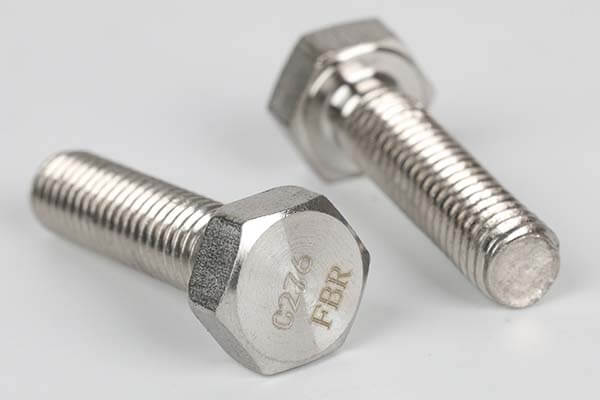
What Types of Hastelloy Fasteners Are Available?
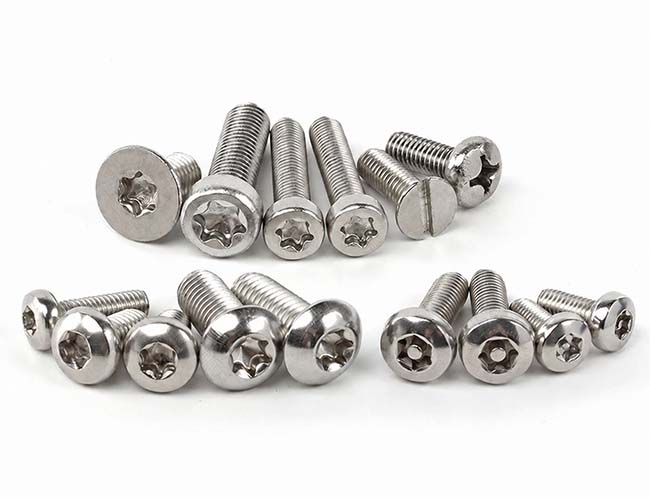
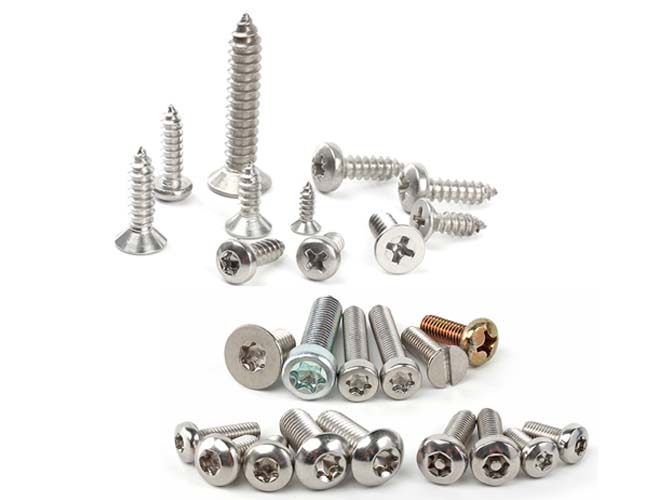
Hastelloy fasteners can be manufactured in many standard and custom configurations. Common products include hex bolts, socket head cap screws, machine screws, studs, threaded rods, nuts, flat washers, lock washers, and special drawing-based parts. Fully threaded studs are widely used for flanges, valves, pumps, pressure equipment, and chemical piping, while bolts and screws are often selected for equipment covers, internal assemblies, heat exchangers, and maintenance access points.
Custom Hastelloy fasteners may require non-standard diameters, special thread pitches, reduced shanks, extended lengths, drilled heads, locking features, or application-specific tolerances. Because nickel alloys are more demanding to machine than common carbon steel, manufacturing planning should address tool selection, heat generation, work hardening, thread quality, and surface condition. Rolled or machined threads may be chosen according to the alloy, size, quantity, specification, and performance requirements.
Main Grades of Hastelloy Fasteners
Hastelloy C-276 Fasteners
Hastelloy C-276 fasteners, commonly associated with UNS N10276, are among the most widely recognized options for severe corrosion service. The alloy belongs to the nickel-chromium-molybdenum family and also contains tungsten. Its balanced chemistry supports resistance in many aggressive chemical environments, including reducing acids, chloride-containing media, and process streams where localized corrosion is a concern.
C-276 bolts, nuts, studs, and washers are frequently considered for chemical processing equipment, pollution-control systems, pulp and paper equipment, sour service components, and waste-treatment installations. This grade is often chosen when the operating environment is complex or variable and the buyer needs a versatile corrosion-resistant fastening material.
Hastelloy C-22 Fasteners
Hastelloy C-22 fasteners, based on UNS N06022, provide strong resistance to both oxidizing and non-oxidizing chemicals. The grade is especially valued for resistance to pitting, crevice corrosion, and stress-corrosion cracking in aggressive environments. Compared with selecting a material only for one pure acid, C-22 may be attractive in process systems where the chemistry can change, contaminants may be present, or oxidizing conditions are significant.
Typical uses include reactor assemblies, pharmaceutical processing equipment, flue-gas treatment systems, chlorination-related equipment, high-purity chemical systems, and critical flange connections. Material selection should still be confirmed against the actual concentration, temperature, aeration, impurities, and cleaning procedures of the application.
Hastelloy B-3 Fasteners
Hastelloy B-3 fasteners, identified as UNS N10675, are nickel-molybdenum alloy components developed for strong resistance to reducing acids. They are particularly relevant to equipment handling hydrochloric acid and certain sulfuric or hydrobromic acid conditions. B-3 is different from the C-family alloys because it is optimized primarily for reducing environments rather than broad resistance to oxidizing media.
For this reason, B-3 bolts or studs should not be selected only because the service contains acid. Oxidizing contaminants, ferric salts, cupric salts, dissolved oxygen, or process upsets can materially change corrosion behavior. A detailed review of the complete process chemistry is essential before specifying B-3 fasteners.
Hastelloy X Fasteners
Hastelloy X fasteners, associated with UNS N06002, are used mainly where high-temperature strength, oxidation resistance, and fabricability are more important than maximum aqueous corrosion resistance. This nickel-chromium-iron-molybdenum alloy is suited to hot-gas and thermal-processing environments.
Hastelloy X bolts, screws, and studs may be used in industrial furnaces, combustion systems, heat-treatment fixtures, petrochemical equipment, and other assemblies exposed to sustained elevated temperatures. Designers must evaluate preload retention, thermal expansion, creep, oxidation, and the strength of both the fastener and mating components at the actual service temperature.
Key Characteristics of Hastelloy Fasteners
The primary advantage of Hastelloy alloy bolts is their ability to maintain joint integrity in environments that can rapidly attack lower-alloy materials. Depending on the selected grade, important characteristics may include resistance to uniform corrosion, pitting, crevice attack, chloride-related cracking, reducing acids, oxidizing chemicals, or high-temperature oxidation.
Hastelloy fasteners also offer useful toughness and can be produced in complex industrial forms, but they are not universal replacements for every stainless steel or nickel alloy. Their mechanical properties vary with grade, product form, heat treatment, cold work, size, and manufacturing route. Procurement documents should therefore define the exact UNS grade, dimensions, thread standard, mechanical requirements, inspection scope, and required material documentation.
Thread galling is another practical consideration in nickel-alloy bolted joints. Proper thread finish, cleanliness, controlled tightening, suitable lubrication where permitted, and compatible nut-and-bolt pairing can help achieve consistent assembly. Lubricant selection must also be compatible with process purity, oxygen service, vacuum conditions, temperature, and plant safety rules.
Industrial Applications of Hastelloy Fasteners
In chemical processing plants, Hastelloy studs and nuts are used on pumps, valves, reactors, agitators, columns, heat exchangers, and piping connections exposed to corrosive process media. In pollution-control and waste-treatment systems, they may be specified for wet scrubbers, ducting, quench equipment, and assemblies handling chloride-bearing condensates.
Pharmaceutical and specialty-chemical facilities may use Hastelloy screws and bolts where both corrosion resistance and cleanability are important. Marine, offshore, and desalination projects may consider C-family grades for selected chloride-exposed joints, especially where stagnant crevices or aggressive chemical additives make standard stainless steel unsuitable. In thermal-processing industries, Hastelloy X fasteners can support furnace hardware, combustion equipment, and high-temperature fixtures.
Because fasteners create crevices and highly stressed contact areas, the alloy used for the main vessel or pipe is not always sufficient as the only selection guide. The bolting material must be evaluated as part of the complete joint, including gasket type, mating alloys, electrical contact, temperature cycles, tightening method, and access for inspection.
How to Specify Hastelloy Fasteners for Procurement
A clear request for quotation should state the required alloy grade, fastener type, nominal diameter, thread system, pitch, length, drawing revision, quantity, and dimensional standard. It should also identify any requirements for heat treatment, proof or tensile testing, hardness, surface finish, marking, packaging, inspection, and traceability. When a standard does not fully cover the application, the drawing and purchase specification should define the acceptance criteria.
Buyers should avoid using “Hastelloy” as the complete material description because C-276, C-22, B-3, and X have different corrosion and temperature capabilities. A reliable supplier should confirm the requested UNS grade and provide documentation appropriate to the order. For one-stop sourcing of standard and custom nickel-alloy fastening products, Flybear can support buyers with product selection, drawing review, dimensional coordination, and supply planning based on the stated application requirements.
Choosing the Right Hastelloy Fastener Grade
The best Hastelloy fastener is the grade that matches the real operating environment rather than the grade with the broadest reputation. C-276 is a versatile choice for many severe chemical applications, C-22 is strong in mixed and oxidizing conditions with localized-corrosion risk, B-3 is specialized for reducing-acid service, and X is intended primarily for high-temperature strength and oxidation resistance.
Before final approval, engineers should compare process chemistry, maximum and minimum temperature, upset conditions, mechanical loading, joint design, maintenance practices, and applicable codes. Corrosion testing or a materials-engineering review may be appropriate for critical service. With accurate specifications and controlled manufacturing, Hastelloy fasteners can provide dependable performance in some of the most demanding industrial bolted connections.