DIN EN 14399 High-Strength Structural Bolting Assemblies for Preloaded Steel Connections
DIN EN 14399 high-strength structural bolting assemblies are engineered for preloaded connections in steel structures where controlled clamping force, reliable joint performance, and compatible components are essential. Unlike ordinary bolts purchased as individual items, an EN 14399 assembly is treated as a coordinated fastening system consisting of a bolt, nut, and specified washer configuration.
The DIN EN 14399 series is the German adoption of the European EN 14399 standard series. It establishes requirements for high-strength structural bolting assemblies intended for preloading. These assemblies are widely specified for demanding steel construction projects, including bridges, industrial buildings, energy infrastructure, heavy equipment supports, structural frames, and other connections exposed to significant static or dynamic loading.
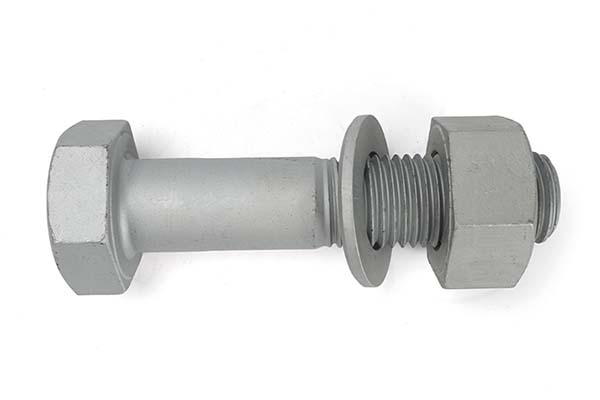
What Is a DIN EN 14399 Bolting Assembly?
A DIN EN 14399 structural bolting assembly normally includes a high-strength bolt, a compatible nut, and one or more hardened washers. The components are designed and evaluated together because dimensional tolerances, mechanical properties, surface condition, lubrication, and the relationship between torque and preload can all influence installation performance.
For procurement purposes, buyers should avoid treating the bolt, nut, and washer as unrelated commodity parts. Replacing one component with a visually similar product may change the assembly’s functional characteristics. A sourcing request should therefore identify the complete system, property class, thread size, bolt length, washer arrangement, coating, and required documentation.
EN 14399 assemblies are generally available in nominal thread sizes from M12 to M36, depending on the selected system and relevant part of the standard. The applicable size range, property class, dimensions, head style, and washer requirements must be confirmed against the project specification.
Main Parts of the EN 14399 Standard Series
The standard is divided into several parts so that general requirements, testing procedures, bolt systems, and accessory components can be specified separately.
EN 14399-1 defines general requirements for high-strength structural bolting assemblies suitable for preloading. EN 14399-2 addresses functional testing and suitability for preloading. EN 14399-3 covers System HR hexagon bolt and nut assemblies, while EN 14399-4 covers System HV hexagon bolt and nut assemblies.
EN 14399-5 and EN 14399-6 specify hardened plain washers and plain chamfered washers. EN 14399-7 applies to System HR countersunk-head assemblies, and EN 14399-8 applies to System HV hexagon fit bolt assemblies. EN 14399-9 covers direct tension indicators used with selected HR or HV assemblies. EN 14399-10 defines System HRC assemblies with calibrated preload features.
Because individual projects may reference only selected parts, buyers should review the complete drawing, bill of materials, and structural specification rather than ordering simply by the general description “EN 14399 bolt.”
DIN EN 14399 High-Strength Structural Bolting Systems: HR, HV, and HRC
System HR and System HV are the two commonly encountered hexagon structural bolting systems. Although both are intended for preloaded structural joints, they use different approaches to achieving sufficient assembly ductility.
In an HR assembly, ductility is primarily associated with plastic elongation of the bolt. EN 14399-3 includes combinations such as property classes 8.8/8, 8.8/10, and 10.9/10. The first number identifies the bolt property class, while the second identifies the nut property class.
In an HV assembly, ductility is primarily obtained through controlled plastic deformation of the engaged threads. EN 14399-4 assemblies are commonly specified with a 10.9 bolt and class 10 nut. HR and HV components should not be mixed unless the applicable engineering specification explicitly permits the proposed combination.
System HRC uses an assembly with a calibrated preload feature. It is designed to support controlled installation using a dedicated tightening method. The appropriate choice among HR, HV, and HRC depends on the connection design, installation procedure, regional engineering practice, available tools, and inspection plan.
Mechanical Properties and Preload Performance
The purpose of preloading is to develop a controlled clamping force in the joint. This force helps connected steel surfaces act together and can improve resistance to slip, movement, loosening, and fatigue-related effects when the complete connection has been properly designed and installed.
Successful preload performance depends on more than the tensile strength of the bolt. Nut geometry, thread engagement, washer hardness, coating thickness, surface friction, lubrication, tightening equipment, and installation method all contribute to the final result.
For this reason, a purchaser should request assembly-level information rather than relying only on a bolt material certificate. Depending on contractual requirements, relevant documentation may include product identification, dimensional inspection records, mechanical test results, assembly suitability information, coating details, lot traceability, and declarations required by the destination market.
Surface Finishes and Lubrication Considerations
Surface finish is an important purchasing parameter for high-strength structural bolts. Black finish, zinc-based coatings, hot-dip galvanized finishes, zinc flake systems, and other protective treatments may be considered according to the environment and project specification.
However, corrosion protection should not be selected independently from preload performance. A coating changes the friction conditions between threads and bearing surfaces. Lubrication also affects the relationship between applied torque and resulting bolt tension. The coating and lubrication system should therefore be evaluated as part of the complete bolting assembly.
Buyers should specify the required finish at the quotation stage and confirm that the proposed bolt, nut, and washer combination is suitable for the intended tightening method. Applying an additional coating or lubricant after delivery without technical evaluation may alter installation behavior.
Applications for EN 14399 Structural Bolts
High-strength structural bolting assemblies are used where engineered steel connections require dependable preload. Typical applications include bridge structures, multi-story steel buildings, industrial plants, transmission structures, material-handling equipment, crane support structures, wind-energy installations, railway-related steelwork, and heavy fabricated assemblies.
The standard alone does not determine whether a bolted connection is suitable for a particular structure. Engineers must also consider joint category, hole type, plate condition, slip resistance, fatigue exposure, environmental conditions, installation access, inspection requirements, and the applicable structural design and execution standards.
How to Specify EN 14399 Assemblies for Purchasing
A clear purchase specification reduces the risk of receiving incompatible components. It should state the applicable EN 14399 part and system, such as HR, HV, or HRC. It should also include the nominal thread diameter, bolt length, property-class combination, head style, washer type, surface finish, lubrication condition, quantity, packaging expectations, and documentation requirements.
The required bolt length should be calculated from the total grip thickness, washer arrangement, nut height, and necessary thread projection. Specifying only the steel plate thickness may result in an unsuitable assembly length.
For projects involving special dimensions, unusual coatings, controlled packaging, or additional testing, technical requirements should be reviewed before production. Through a one-stop sourcing approach, Flybear can support discussions covering standard fasteners, matching nuts and washers, surface-finish options, packaging, and project-specific purchasing details.
Installation and Inspection Recommendations
Installation should follow the project’s approved tightening procedure and the applicable steelwork execution requirements. Contact surfaces, bolt holes, washers, nuts, and tools should be checked before tightening. Components must be stored in a way that protects them from contamination, uncontrolled corrosion, and changes to their supplied lubrication condition.
Tightening equipment should be suitable for the selected installation method and maintained according to the project quality plan. The erection team should also confirm correct washer placement, assembly orientation, grip length, thread engagement, and tightening sequence.
Inspection requirements may include visual checks, component identification, tool verification, installation records, direct preload assessment, or other project-defined controls. Tightening values should never be assumed from a generic chart without considering the specific assembly, coating, lubrication, and installation procedure.
Choosing a Reliable Structural Fastener Supply Solution
Sourcing DIN EN 14399 high-strength structural bolting assemblies requires careful coordination between engineering, purchasing, manufacturing, coating, logistics, and site installation teams. The lowest unit price does not necessarily represent the lowest project risk when incomplete specifications or mixed components can cause delays and installation problems.
Before placing an order, buyers should verify the complete standard designation, assembly system, property class, dimensions, finish, quantity, documentation, and delivery schedule. Providing drawings and technical specifications during the inquiry stage allows the supplier to identify potential conflicts before manufacturing or shipment.
A correctly specified EN 14399 assembly gives contractors and steel fabricators a consistent basis for creating preloaded structural connections. Treating the bolt, nut, washers, coating, lubrication, installation method, and inspection requirements as one coordinated system is the most effective approach to dependable procurement and field performance.