Structural Bolts vs Standard Bolts: Grades, Standards and Applications
Structural bolts vs standard bolts is an important distinction for engineers, fabricators, contractors, and industrial buyers sourcing fasteners for steel structures, machinery, equipment frames, and engineered assemblies. Although both products are externally threaded fasteners, structural bolts are designed and specified for particular structural joint applications with controlled strength, geometry, installation requirements, and standards.
A common purchasing mistake is assuming that a high-strength standard bolt can replace a structural bolt simply because the tensile strength appears similar. Structural bolting systems involve more than strength values. Bolt dimensions, nut compatibility, washer requirements, installation method, inspection, marking, and the applicable design standard all influence whether the fastener is suitable.
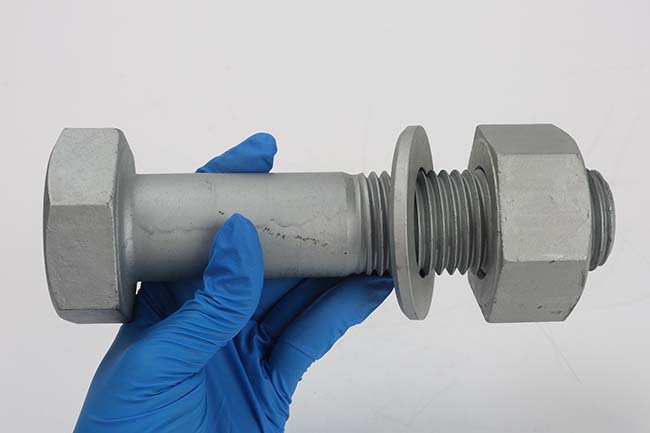
Flybear supplies standard, special, and custom industrial fasteners for OEM, construction, machinery, and project requirements. Buyers comparing structural and general-purpose bolts can review the industrial bolt range and provide the required standard, grade, dimensions, coating, quantity, and application for technical review.
Structural Bolts vs Standard Bolts: Quick Comparison
| Selection Factor | Structural Bolt | Standard Bolt |
|---|---|---|
| Primary Use | Designed for engineered structural connections | General mechanical fastening applications |
| Specification Approach | Usually controlled by structural fastener standards and project requirements | Often selected by general bolt dimensions and mechanical requirements |
| Installation | May require controlled tightening, calibrated tools, or defined installation procedures | Usually follows the requirements of the specific assembly design |
| Strength System | Defined through structural bolt grades and applicable standards | Defined by applicable bolt property class or material specification |
| Inspection | Often includes stricter lot control, marking, documentation, and testing requirements | Depends on application and purchase specification |
| Typical Applications | Steel structures, bridges, heavy frames, engineered connections | Machinery, equipment, fabrication, maintenance and general assembly |
The correct choice depends on the joint design. A structural bolt is not automatically better than a standard bolt, and a standard bolt is not automatically unsuitable. The applicable engineering requirement determines which fastener system should be used.
What Is a Structural Bolt?
A structural bolt is a high-strength fastener designed specifically for structural steel connections and other engineered applications where controlled mechanical performance and installation procedures are required.
Structural bolts are commonly used in:
- Steel building structures.
- Bridges and infrastructure projects.
- Industrial steel frames.
- Heavy equipment support structures.
- Large fabricated assemblies.
- Transportation and energy projects.
Unlike a general-purpose machine bolt selected mainly by diameter, length, and strength class, a structural bolt system usually includes coordinated requirements for the bolt, nut, washer, installation method, and inspection process.
What Is a Standard Bolt?
A standard bolt is a broad category covering many threaded fasteners used for mechanical assembly. These bolts can include hex bolts, flange bolts, socket bolts, carriage bolts, and many other designs.
General-purpose bolts are used in:
- Machinery assembly.
- Equipment manufacturing.
- Fabricated brackets.
- Maintenance applications.
- Industrial components.
- OEM products.
A standard bolt may provide excellent performance when correctly selected for the joint. The key difference is that the specification usually comes from the equipment design rather than from a structural connection standard.
Structural Bolt Standards Buyers Should Know
Structural bolting standards vary by region and application. Buyers should identify the required standard before quotation because structural fasteners are often tied to construction codes, engineering specifications, and approval procedures.
ASTM Structural Bolts
ASTM F3125/F3125M is a widely referenced specification for high-strength structural bolts and assemblies. It covers inch and metric high-strength structural bolts, including grades such as A325-type and A490-type requirements under the modern specification structure.
ASTM structural bolt specifications typically include requirements related to:
- Chemical composition.
- Mechanical properties.
- Heat treatment.
- Dimensions.
- Marking.
- Testing.
- Quality requirements.
EN Structural Bolts
European structural bolting commonly references EN standards such as EN 14399 for high-strength structural bolting assemblies and EN 15048 for non-preloaded structural bolting assemblies.
These systems define coordinated bolt, nut, and washer requirements. Buyers should not mix components from different systems without verifying compatibility.
ISO and Other Regional Standards
International projects may use ISO, national, or customer-specific structural fastening requirements. The correct standard depends on the project location, design code, approval requirements, and engineering documentation.
Structural Bolt Grades and Strength
Structural bolt grades are not selected only by tensile strength. The grade identifies a controlled material and manufacturing requirement suitable for a defined application.
Examples include:
- ASTM F3125 structural bolt grades.
- EN 14399 high-strength structural bolt assemblies.
- Property-class bolts used in non-structural applications.
When comparing a structural bolt with a standard bolt, engineers should review:
- Tensile strength.
- Yield or proof requirements.
- Hardness.
- Impact requirements where applicable.
- Heat treatment.
- Fatigue considerations.
- Installation method.
- Connection design requirements.
A bolt with a similar tensile value may still fail to meet the structural specification because the complete system requirements are different.
Installation Differences: Structural vs Standard Bolts
One of the biggest differences between structural and general bolts is the installation method.
Structural connections may require controlled installation methods such as:
- Turn-of-nut tightening.
- Direct tension indicators.
- Calibrated wrench procedures.
- Preload-controlled installation systems.
The objective is often to achieve a specified bolt tension or joint behavior rather than simply tighten the bolt until it feels secure.
General industrial bolts are usually installed according to the equipment manufacturer’s tightening requirements, which may be based on torque, angle, preload, or another method appropriate to the application.
Changing from a structural bolt to a standard bolt can therefore affect not only strength but also the installation process and inspection method.
Bolt, Nut and Washer Compatibility
Structural bolting systems are designed as assemblies. The bolt, nut, and washer are not always interchangeable with similar-looking products.
Important compatibility factors include:
- Bolt standard and grade.
- Nut grade and hardness.
- Washer specification.
- Thread tolerance.
- Coating system.
- Friction characteristics.
- Installation procedure.
For example, using a structural bolt with an unrelated standard nut may change the joint behavior and could prevent the assembly from meeting the required specification.
Coatings for Structural and Standard Bolts
Surface finish is an important part of bolt selection because it affects corrosion resistance, friction, installation behavior, and appearance.
Common finishes include:
- Plain or black finish.
- Zinc plating.
- Zinc-flake coatings.
- Hot-dip galvanizing.
- Other project-specific protective coatings.
For structural bolts, coating selection may be linked to the required installation procedure because friction affects the relationship between tightening method and achieved preload.
Hot-dip galvanized structural assemblies require particular attention because coating thickness can affect thread fit. Matching bolts and nuts should be specified as a compatible system.
Structural Bolts in Outdoor and Corrosive Environments
Outdoor structures introduce additional requirements beyond bolt strength. Rain, humidity, salt exposure, industrial pollution, and temperature changes can influence long-term fastener performance.
Selection factors include:
- Environmental corrosion category.
- Coating durability.
- Drainage and joint design.
- Contact between different metals.
- Inspection and maintenance plans.
A higher-strength bolt with an unsuitable coating may not provide a better long-term solution than a properly protected fastener selected for the actual environment.
Structural Bolt vs Standard Bolt Applications
| Application | Fastener Type to Evaluate | Reason |
|---|---|---|
| Steel building frame | Structural Bolt Assembly | Connection design and installation requirements are typically controlled by structural standards |
| Bridge or infrastructure project | Approved Structural Bolting System | Documentation, inspection, and project approval requirements are usually strict |
| Machine bracket | Standard Industrial Bolt | Equipment design normally controls the fastening requirement |
| Equipment cover | Standard Bolt or Screw | General assembly requirements may not require structural bolting |
| Heavy fabricated frame | Engineering Review | Fastener selection depends on loads, codes, and connection design |
Quality Control for Structural Bolts
Structural bolt inspection is often more documentation-intensive than general industrial fasteners. Depending on the project, buyers may require:
- Material certificates.
- Chemical composition reports.
- Mechanical test results.
- Hardness testing.
- Dimensional inspection.
- Thread inspection.
- Coating verification.
- Lot traceability.
- Marking verification.
- Third-party inspection.
Flybear’s quality control support includes dimensional and thread inspection, material verification, hardness and tensile testing, coating inspection, salt-spray testing when required, and documentation review according to agreed project requirements.
Common Structural Bolt Purchasing Mistakes
- Choosing by strength number only. Structural suitability depends on standards, installation, and assembly requirements.
- Using standard high-strength bolts as structural replacements. Similar strength values do not guarantee compliance.
- Mixing bolt, nut, and washer systems. Structural assemblies are designed as compatible sets.
- Ignoring installation procedures. Structural preload requirements may differ from general bolt tightening.
- Specifying coating without considering friction. Surface condition can affect installation behavior.
- Leaving inspection requirements undefined. Structural projects often require controlled documentation.
- Replacing existing structural bolts without approval. Engineering review may be required before substitution.
RFQ Checklist for Structural Bolts
A complete RFQ helps suppliers quote the correct structural fastening system. Provide:
- Applicable structural bolt standard.
- Bolt grade or specification.
- Diameter and length.
- Thread requirement.
- Nut and washer requirements.
- Material and heat-treatment requirements.
- Surface coating or finish.
- Installation method.
- Project application and design requirements.
- Required inspection and documentation.
- Traceability and marking requirements.
- Packaging and delivery requirements.
FAQ
What is the difference between structural bolts and regular bolts?
Structural bolts are designed and specified for engineered structural connections with controlled standards, installation methods, and inspection requirements. Standard bolts are used for general mechanical fastening according to the equipment or assembly design.
Can a high-strength bolt replace a structural bolt?
Not automatically. Strength alone does not establish structural compliance. The complete specification, including dimensions, assembly requirements, installation method, and documentation, must be reviewed.
Are ASTM F3125 bolts stronger than regular bolts?
ASTM F3125 structural bolts are designed for structural applications with specified grades and requirements. Whether they are suitable depends on the connection design and applicable standard, not only a strength comparison.
Do structural bolts require special nuts?
Yes, many structural systems require compatible nuts and washers specified together with the bolts. Mixing unrelated components can affect installation and performance.
What coating is used for structural bolts?
The coating depends on the environment and project specification. Common options include zinc-based coatings, hot-dip galvanizing, zinc-flake systems, and other approved finishes.
What information should buyers provide for structural bolt quotations?
Provide the structural standard, grade, size, length, thread, matching nuts and washers, coating, application, installation method, inspection requirements, and required documentation.
Conclusion
The structural bolts vs standard bolts decision should be based on the engineering purpose of the joint rather than appearance or strength value alone. Structural bolts are part of a controlled fastening system involving standards, compatible components, installation methods, and inspection requirements.
Standard bolts remain the appropriate choice for many industrial assemblies where structural connection requirements do not apply. The correct selection depends on the design loads, environment, applicable standards, and required quality controls.
For structural or industrial bolt requirements, Flybear can support technical review and quotation. Send your standard or drawing, bolt grade, size, thread, coating, quantity, application, and inspection requirements through the Flybear contact page.