DIN 912 vs ISO 4762 Socket Head Cap Screws: Legacy DIN vs Current ISO
DIN 912 vs ISO 4762 is an important comparison for engineers and industrial buyers sourcing metric socket head cap screws from legacy drawings. DIN 912 is an older German standard that has been withdrawn, while ISO 4762:2004 remains the current international standard for hexagon socket head cap screws. Although products described under the two designations can appear very similar, buyers should not treat the standards as automatically interchangeable without checking the drawing, dimensions, material requirements, mechanical properties, finish, and assembly conditions.
DIN Media lists DIN 912:1983-12 as withdrawn and identifies DIN EN ISO 4762 as its successor. The current German adoption, DIN EN ISO 4762:2004-06, is listed as current. ISO 4762:2004 specifies characteristics for hexagon socket head cap screws with coarse pitch threads from M1.6 through M64 and product grade A.
Flybear supplies standard, special, and custom industrial fasteners for OEM and project requirements. Buyers reviewing a legacy DIN 912 specification can compare available socket screws and provide the original standard, drawing, thread size, property class, material, finish, and inspection requirements for technical review.
What Are DIN 912 and ISO 4762?
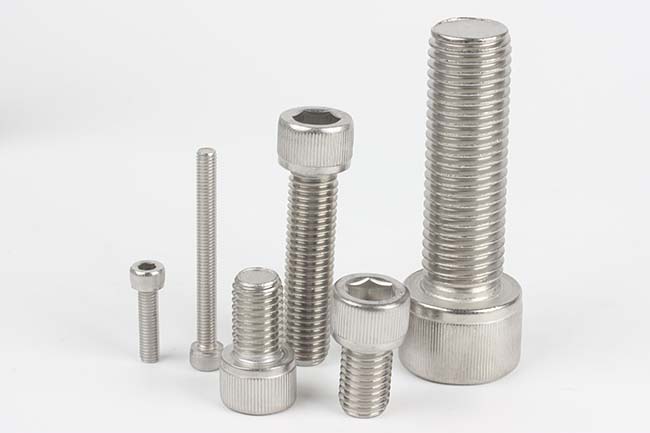
Both standards concern the familiar metric socket head cap screw: a fastener with a cylindrical head and an internal hexagonal drive. This compact head design allows installation in assemblies where external wrench clearance is limited and is commonly found in machinery, tooling, automation equipment, electrical equipment, automotive assemblies, and other industrial applications.
DIN 912:1983-12 was titled “Hexagon socket head cap screws” and was described by DIN as a modified version of ISO 4762. It is now a withdrawn standard. This legacy status matters because older equipment drawings, spare-parts lists, and purchasing specifications may continue to use the DIN 912 designation even though the active standard environment has moved to ISO 4762 and DIN EN ISO 4762.
ISO 4762:2004 is the current ISO reference. It specifies characteristics of hexagon socket head cap screws with coarse pitch metric threads from M1.6 to M64 and product grade A. DIN EN ISO 4762:2004-06 is the corresponding current German and European adoption.
DIN 912 vs ISO 4762: Current Standard Status
| Standard | Status | What Industrial Buyers Should Know |
|---|---|---|
| DIN 912:1983-12 | Withdrawn | A legacy German specification still found on older drawings and purchasing records. |
| ISO 4762:2004 | Current | Current ISO standard for hexagon socket head cap screws within its specified size and product-grade scope. |
| DIN EN ISO 4762:2004-06 | Current | Current German adoption of ISO 4762:2004. |
For a new design, specifying the current standard is generally clearer than introducing a withdrawn DIN designation. For an existing machine or replacement part, however, the drawing revision and original engineering intent remain important. Changing a legacy specification from DIN 912 to ISO 4762 should therefore be handled as a controlled specification review rather than a simple text replacement.
Are DIN 912 and ISO 4762 Screws Interchangeable?
They should not be declared universally interchangeable. DIN 912 was related to ISO 4762, and many commercially available metric socket head screws supplied under the legacy and current designations can be very similar in form. However, a purchasing decision needs to consider more than the product name.
When evaluating a DIN 912 replacement, check at least the following characteristics:
- Nominal metric thread diameter and pitch.
- Overall screw length.
- Head diameter and head height.
- Internal hex drive size and engagement geometry.
- Underhead geometry and available seating area.
- Threaded length and usable thread engagement.
- Material and required mechanical property class.
- Surface finish or coating.
- Assembly clearance and mating component dimensions.
- Customer or industry-specific approval requirements.
This verification is particularly important for spare parts. A screw that threads into the same tapped hole may still create an interference problem if its head geometry, drive feature, or underhead configuration differs from the original component. Conversely, a dimensionally compatible part may still be unsuitable if its property class, material, or coating does not meet the application requirement.
Geometry and Dimensions: What Buyers Should Compare
A socket head cap screw standard defines more than the external thread. The cylindrical head and internal hex socket are important functional interfaces because they affect installation clearance, tool engagement, bearing conditions, and the surrounding component design.
When converting a legacy drawing, engineers should compare the original DIN 912 requirements with the dimensions applicable to the selected ISO 4762 size. Important drawing features can include the head diameter, head height, hex socket size, socket depth, underhead radius, overall length, thread length, and end configuration.
A common sourcing mistake is to compare only “M10 × 40,” for example. That designation tells the buyer the nominal metric thread diameter and nominal length, but it does not by itself establish every head and thread-detail requirement. For equipment with counterbores, recessed heads, close tool clearance, or controlled grip length, dimensional verification is especially important.
Thread Requirements for Metric Socket Head Screws
ISO 4762:2004 covers coarse pitch thread within its stated scope. The mating component must therefore be considered when selecting a replacement. Buyers should confirm the nominal diameter, pitch, thread fit, usable thread length, and tapped-hole condition rather than assuming that every metric socket screw with the same diameter has the same thread configuration.
Fine-pitch threads, special thread tolerances, left-hand threads, non-standard thread lengths, or drawing-controlled thread runout may require a different specification or a custom part. In these cases, the purchase order should follow the approved drawing instead of relying on a general ISO 4762 description alone.
Material and Property Class Are Separate Purchasing Requirements
ISO 4762 is primarily a product specification for the screw form and dimensions within its scope. The required material and mechanical performance should also be defined in the RFQ or drawing.
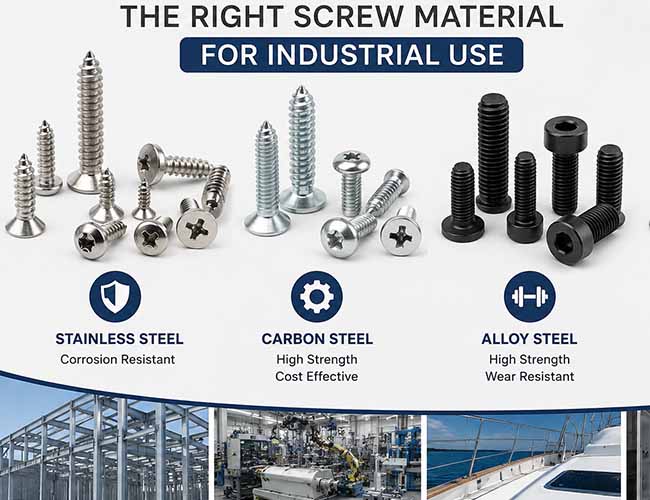
For carbon and alloy steel metric bolts and screws, ISO 898-1:2013 is the current ISO standard covering specified mechanical and physical properties for applicable property classes within its scope. Industrial socket head screws may be ordered with different property classes depending on the joint design, but buyers should state the required class rather than assuming that the head style determines strength.
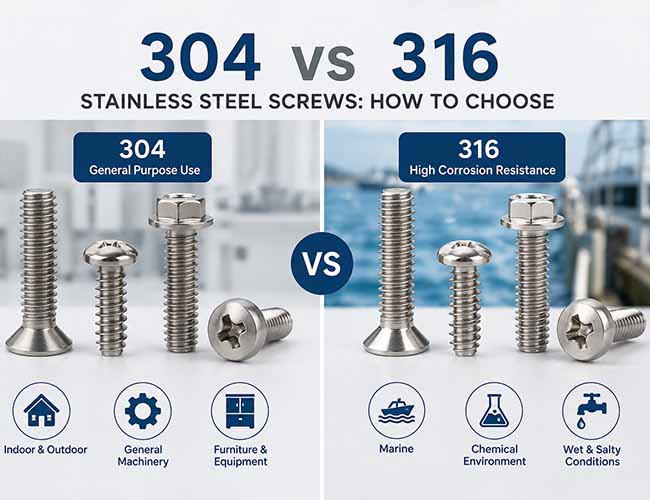
For corrosion-resistant stainless steel bolts and screws, ISO 3506-1:2020 provides mechanical and physical property requirements for specified stainless steel grades and property classes within its scope. Stainless material selection should consider both mechanical requirements and the actual corrosive environment.
In other words, “ISO 4762” alone is not a complete purchasing specification when material or strength matters. A controlled RFQ should identify the dimensional standard together with the required material, property class, and any applicable heat-treatment requirements.
Coatings and Finishes for ISO 4762 Screws
Socket head cap screws are available with different surface conditions depending on the base material and application. Examples can include plain or black-finished steel, zinc-based coatings, zinc-flake systems, nickel finishes, and stainless steel surfaces. The correct choice depends on corrosion exposure, assembly requirements, appearance, friction requirements, and project specifications.
Buyers should avoid specifying only a color such as “black” or “silver.” A visual description does not establish the coating process, thickness, corrosion requirement, lubrication, or post-coating thread condition.
Coating thickness is particularly relevant for threaded fasteners because deposited material can influence fit. If thread acceptance after coating is critical, the finished-condition requirement should be defined in the purchase specification and included in the inspection plan.
DIN 912 Replacement Scenarios
Existing Drawing Still Calls for DIN 912
If an approved legacy drawing specifies DIN 912, procurement should not silently change the requirement. The engineering or quality team should determine whether ISO 4762 or DIN EN ISO 4762 is an acceptable replacement and document the decision where required.
New Equipment Design
For a new metric design requiring standard socket head cap screws, using the current ISO 4762 or applicable DIN EN ISO 4762 designation gives suppliers a clearer technical reference and avoids intentionally introducing a withdrawn standard into a new drawing.
Replacement Part Without Complete Documentation
If only an existing screw or machine sample is available, check thread, overall length, head geometry, socket dimensions, material, hardness or property class where relevant, and finish. A sample can support dimensional identification, but it does not automatically reveal the original material certificate, heat treatment, or engineering acceptance criteria.
Special Geometry or Non-Standard Requirements
If the application uses an unusual head dimension, special shoulder, reduced shank, custom thread length, cross hole, special material, or drawing-controlled feature, a standard ISO 4762 screw may not reproduce the original part. Buyers can consider drawing-based custom fasteners where the assembly requires controlled deviations from standard geometry.
Buyer Selection Table for DIN 912 vs ISO 4762
| Purchasing Situation | Recommended Approach |
|---|---|
| New design | Use the applicable current ISO 4762 or DIN EN ISO 4762 specification and define material, property class, and finish separately. |
| Legacy drawing specifies DIN 912 | Verify replacement dimensions and functional requirements before changing the drawing or purchase specification. |
| Maintenance replacement | Check thread, head clearance, length, material, strength requirement, and finish against original equipment information. |
| Corrosive environment | Specify the required stainless grade or coating based on the actual environment and mechanical requirement. |
| Special geometry | Provide a controlled drawing and request a custom fastener review rather than forcing the part into a standard designation. |
| Critical OEM application | Define inspection, certificates, traceability, and drawing revision requirements before quotation. |
Quality Inspection for Metric Socket Head Screws
Inspection should follow the purchase specification, drawing, and application risk. Depending on the project, relevant checks can include nominal dimensions, head diameter and height, overall length, thread gauges, socket dimensions, material documentation, hardness, tensile properties, coating thickness, surface condition, and packaging or marking requirements.
Flybear’s quality control process supports material and certificate review, dimensional inspection, thread Go/No-Go inspection, hardness and tensile testing, coating inspection, coating-thickness checks, and additional verification according to agreed project requirements.
For an OEM transition from DIN 912 to ISO 4762, first-article inspection can also be useful when head clearance, tool access, or other dimensions interact closely with the surrounding assembly.
RFQ Checklist for DIN 912 vs ISO 4762 Screws
An industrial screw supplier can quote more accurately when the technical requirement is complete. For a new order or DIN 912 replacement project, provide:
- Required standard and edition, or the latest controlled drawing.
- Metric thread diameter and pitch.
- Overall length and required thread length.
- Material and property class.
- Heat-treatment requirement where applicable.
- Coating, finish, lubrication, or corrosion requirement.
- Order quantity and expected repeat demand if relevant.
- Application and mating-component information for replacement reviews.
- Critical dimensions or special tolerances.
- Required inspection reports, material certificates, or other documentation.
- Packaging, labeling, marking, and traceability requirements where controlled.
Providing the original drawing is particularly valuable when a buyer asks for a DIN 912 replacement. It allows the supplier to review the actual engineering requirement rather than assuming that the historical standard name contains all necessary information.
FAQ
Is DIN 912 still a current standard?
No. DIN 912:1983-12 is listed as withdrawn. DIN Media identifies DIN EN ISO 4762 as the replacement path, and DIN EN ISO 4762:2004-06 is currently listed as current.
What is the current ISO standard for socket head cap screws?
ISO 4762:2004 is the current ISO standard for hexagon socket head cap screws. Its stated scope covers coarse pitch metric threads from M1.6 to M64 and product grade A.
Can I automatically replace a DIN 912 screw with an ISO 4762 screw?
No universal substitution should be assumed. Confirm the relevant dimensions, thread, material, property class, finish, assembly clearance, and functional requirements before approving a replacement.
Does ISO 4762 define the screw property class?
The dimensional product designation should not be used as a substitute for a mechanical-property requirement. State the required material and property class separately, using the applicable mechanical-property standard or customer specification.
What information should I send when requesting ISO 4762 screws?
Provide the standard or drawing, thread size, length, material, property class, finish or coating, quantity, critical tolerances, application information, and required inspection or certificate documents.
Conclusion
The key issue in DIN 912 vs ISO 4762 sourcing is the distinction between a legacy specification and a current standard. DIN 912:1983-12 has been withdrawn, while ISO 4762:2004 and DIN EN ISO 4762:2004-06 remain current references for hexagon socket head cap screws within their applicable scope.
For new projects, using the current standard can simplify specification control. For existing equipment and legacy drawings, buyers should verify geometry and functional requirements before approving a DIN 912 replacement. Material, property class, coating, inspection, and documentation should also be specified separately rather than assumed from the product-standard designation.
For standard or drawing-based metric socket head screws, Flybear can review your technical and purchasing requirements. Send the standard or drawing, thread size and length, material or property class, finish or coating, quantity, application, and inspection or certificate requirements through the Flybear contact page for quotation review.