Phillips vs Pozidriv vs Torx: How Screw Drives Affect Assembly
Phillips vs Pozidriv vs Torx selection can directly affect tool engagement, tightening consistency, assembly speed, drive damage, and serviceability in industrial screw applications. Although all three are internal screw drive types, their recess geometries are different, and the correct driver must match the screw. A similar-looking bit that appears to fit may still produce poor engagement, premature wear, or an unreliable tightening process.
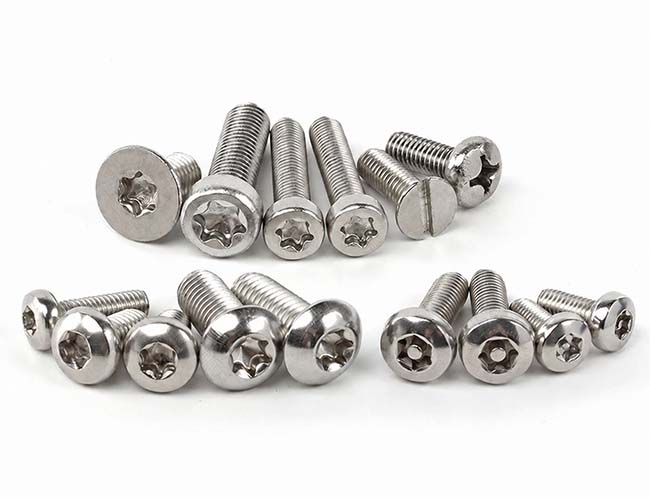
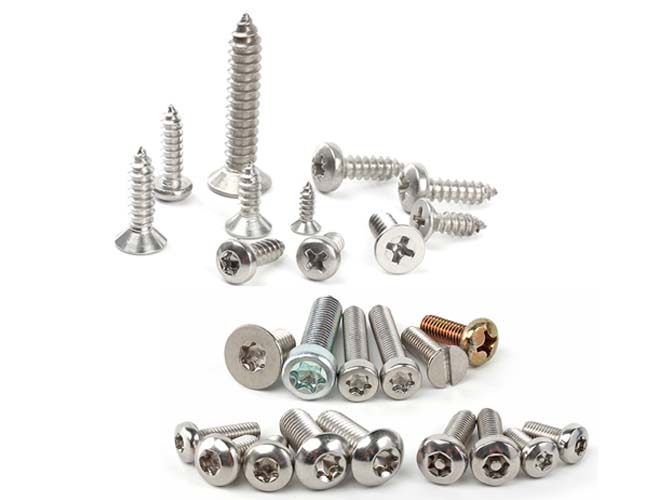
Phillips and Pozidriv are both cross-recess systems, while Torx is a common commercial term for a six-lobe drive geometry generally described in ISO terminology as a hexalobular internal driving feature. For OEM buyers, the drive should be specified together with the screw head, thread, material or property requirement, coating, installation process, and mating component rather than treated as a cosmetic detail.
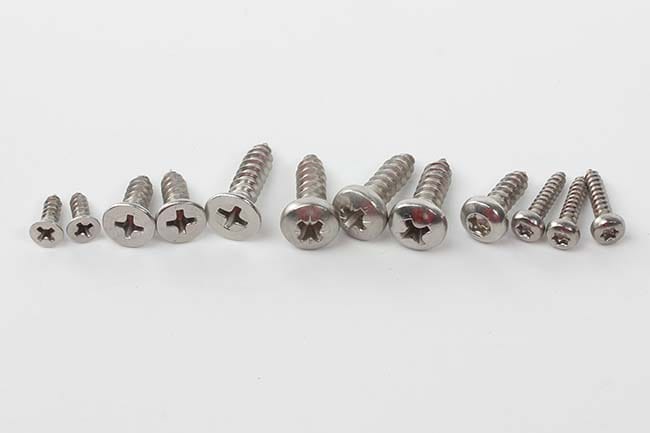
Flybear supplies standard, special, and custom industrial fastening solutions for machinery, electronics, electrical cabinets, sheet-metal assemblies, automotive equipment, and other OEM applications. Buyers comparing drive options can review Flybear’s industrial screw range and provide the required drive, head style, thread, material, finish, quantity, and assembly conditions for technical review.
Phillips vs Pozidriv vs Torx: Quick Comparison
| Drive Type | Geometry | Typical Selection Reason | Key Purchasing Consideration |
|---|---|---|---|
| Phillips / Type H | Four-arm cross recess with inclined drive surfaces | Wide tool availability and common use in general assembly | Correct PH driver size and controlled axial engagement are important |
| Pozidriv / Type Z | Cross recess with additional identifying features and different tightening surfaces | Improved engagement characteristics in suitable cross-recess applications | Must use the correct PZ driver rather than a Phillips bit |
| Hexalobular / Torx-Type | Six rounded lobes | Stable tool engagement and suitability for controlled or automated assembly | Correct drive size, recess quality, and tool condition remain essential |
No drive is automatically best for every industrial application. The decision depends on required installation torque, screw size, production volume, available tooling, operator access, automation, head geometry, future maintenance, and customer specifications.
What Is a Phillips Screw Drive?
The Phillips drive is a cross recess with four main arms. In ISO terminology, the corresponding cross recess is identified as Type H. ISO 4757:1983, which remains a current standard, defines Type H and Type Z cross recesses and includes dimensional and gauging requirements for these drive forms.
Phillips screws are widely recognized and compatible tools are readily available, making them practical for many general assembly, electrical, appliance, sheet-metal, and equipment applications.
The geometry includes inclined surfaces within the cross recess. During higher-torque installation, tool alignment and axial force can therefore have an important influence on engagement. If the driver is worn, undersized, incorrectly positioned, or not held firmly into the recess, it can ride upward and damage the drive.
Where Phillips Drives Can Work Well
- General machine screw applications.
- Electrical and electronic equipment.
- Sheet-metal covers and brackets.
- Appliance and equipment assembly.
- Manual assembly where PH tools are already standardized.
- Applications with moderate controlled tightening requirements.
For high-volume production, the fact that a Phillips screw can be tightened manually does not automatically mean it is the most efficient assembly screw drive. Tool life, axial force, bit alignment, tightening repeatability, and recess damage rates should also be considered.
What Is a Pozidriv Screw Drive?
Pozidriv is another cross-recess system, associated with Type Z under ISO 4757. Although it resembles Phillips at first glance, its geometry is different. A Pozidriv screw can commonly be identified by additional radial features between the four main cross slots, but buyers should rely on the specification rather than visual identification alone.
The drive surfaces of Type Z are designed differently from the inclined geometry of Type H. With the correct driver, this geometry can provide more controlled engagement for suitable assembly applications.
Pozidriv is especially common in European markets and may appear on machine screws, tapping screws, equipment fasteners, and various industrial or commercial assemblies.
Do Not Use Phillips and Pozidriv Bits Interchangeably
One of the most common assembly mistakes is using a PH driver in a PZ recess, or a PZ driver in a Phillips cross recess screw. The tools may appear close enough to engage, but the contact surfaces do not match correctly.
A mismatched driver can result in:
- Reduced drive engagement.
- Higher risk of recess damage.
- Accelerated bit wear.
- Unstable tightening behavior.
- Operator difficulty maintaining tool alignment.
- Inconsistent results in repetitive production.
For OEM assembly stations, PH and PZ tooling should therefore be clearly identified and controlled. Where both drive types are used in the same factory, color coding, tool labeling, dedicated stations, or other process controls can help reduce mix-ups.
What Is a Torx Drive Screw?
A Torx drive screw is the common market description for a screw using a six-lobe internal drive. In standards-based technical documentation, the more neutral term is often “hexalobular internal driving feature.” ISO 10664:2014 is the current ISO standard defining the shape, basic dimensions, and gauging method for this internal drive feature.
ISO 10664 defines the drive geometry itself; it should not be treated as a complete dimensional or mechanical-property standard for every screw that uses the recess. A machine screw, button head screw, countersunk screw, tapping screw, or other product can use a hexalobular drive while its remaining characteristics are controlled by another product standard or customer drawing.
The six-lobe geometry provides multiple contact areas between the bit and recess. When the correct tools and dimensions are used, this design is well suited to controlled tightening and is frequently considered for automated production.
Where Hexalobular Drives Are Commonly Considered
- Automotive assemblies.
- Industrial electronics.
- Electrical cabinets and control equipment.
- Machine guards and covers.
- Automation equipment.
- High-volume OEM assembly.
- Applications using controlled electric screwdrivers.
How Screw Drive Geometry Affects Torque Transfer
A screw drive transfers torque through contact between the bit and recess. The location, angle, and area of those contact surfaces determine how force is transmitted into the screw head.
With a cross recess screw, driver engagement depends strongly on matching the correct cross geometry and size. When engagement deteriorates, the driver may move upward or slip against the recess surfaces, increasing wear.
A hexalobular drive uses six lobes rather than four cross arms. Its geometry can provide stable engagement for controlled tightening, but performance still depends on recess dimensional accuracy, correct bit size, driver hardness, alignment, installation speed, and applied torque.
Buyers should therefore avoid universal statements such as “Torx can always take more torque than Phillips.” The allowable installation torque also depends on screw diameter, head geometry, material, mechanical properties, recess depth, and the joint itself.
Drive Size Matters as Much as Drive Type
Selecting the correct family is not enough. The driver must also match the recess size. A bit that is too small can contact only part of the drive surfaces, increasing local stress and the likelihood of wear or stripping.
This is especially important in automated assembly where a poorly matched tool may install hundreds or thousands of screws before the source of recurring drive damage is identified.
For production control, the engineering or manufacturing team should define:
- Drive family: PH, PZ, hexalobular, or another specified system.
- Correct drive size.
- Approved bit or tool specification.
- Installation torque or tightening strategy.
- Tool replacement criteria.
- Required screw recess inspection.
Phillips vs Pozidriv vs Torx for Automated Assembly
Automated screwdriving changes the importance of drive selection. In manual maintenance, an operator can adjust hand pressure and tool angle continuously. An automated station depends on repeatable screw presentation, bit engagement, alignment, and programmed tightening parameters.
A suitable drive for automation should support consistent bit insertion and torque transmission without excessive sensitivity to minor alignment variation. Hexalobular drives are often considered for these applications because of their multi-lobe engagement geometry.
However, drive geometry alone does not guarantee automation reliability. Screw feeding, head concentricity, recess depth, dimensional consistency, coating buildup, magnetic or vacuum pickup, tool wear, spindle alignment, and workpiece positioning also affect cycle performance.
For high-volume assembly, production trials using actual screws, drivers, and mating components are preferable to selecting a drive based only on catalog descriptions.
Drive Selection for Manual Assembly and Maintenance
For equipment that will be serviced globally, tool availability can be just as important as production efficiency. Phillips tools are widely available, which can be advantageous for field maintenance. Pozidriv tooling is also common in many markets, particularly in Europe, but maintenance teams must recognize the difference between PH and PZ.
Hexalobular tools are widely used in industrial maintenance, but OEMs should still consider whether the required drive size will be available to technicians at the intended service locations.
If preventing casual access is a requirement, a standard hexalobular drive should not automatically be treated as a security drive. Pin-in-hexalobular and other tamper-resistant versions use additional features and require dedicated tooling.
Head Style and Drive Type Should Be Selected Together
The same drive family can appear in different screw head styles. Pan, countersunk, button, flange, cylindrical, and other heads provide different amounts of material and depth for the drive recess.
A shallow countersunk or low-profile head, for example, may impose different recess constraints from a taller head. Consequently, two screws using the same nominal drive family may not support identical tightening conditions.
When selecting the combination, consider:
- Required head height.
- Available radial clearance.
- Required bearing area.
- Tool approach angle.
- Recess depth.
- Installation torque.
- Need for a flush surface.
- Mechanical requirements of the screw.
Material and Property Class Are Separate from the Drive
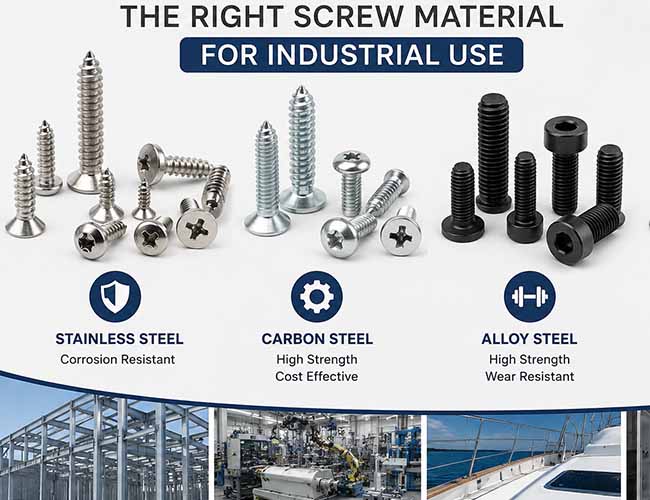
Phillips, Pozidriv, and hexalobular drives do not define the screw material or mechanical strength. The same general drive concept may be used on carbon steel, alloy steel, stainless steel, or another material where the product design permits.
For controlled industrial purchasing, the RFQ should state the required material, grade or property class, and any heat-treatment requirement separately from the drive.
A stainless cross recess screw and a high-strength alloy-steel screw can therefore have similar-looking drives while offering very different mechanical and corrosion characteristics. The application should determine the material requirement, not the recess shape.
Coatings Can Affect Drive Performance
Surface finishing is usually selected for corrosion protection, friction control, appearance, or customer-specific requirements, but coating can also interact with the screw recess.
Excessive coating buildup inside a small recess can reduce effective tool engagement. Coating thickness can also influence external thread fit and tightening friction. These effects are especially relevant for small screws, precision electronics, and torque-controlled production.
Steel screws may use zinc-based plating, zinc-flake systems, black finishes, nickel-based finishes, or other specified coatings. Stainless steel fasteners may use a natural or specified treated surface. Buyers should identify the required coating system rather than ordering solely by color.
Which Drive Should an OEM Choose?
| Assembly Requirement | Drive to Evaluate | Reason |
|---|---|---|
| Very broad field-tool availability | Phillips | PH tools are widely recognized and available |
| European cross-recess specification | Pozidriv | Type Z is widely encountered in European applications |
| Controlled automated assembly | Hexalobular | Six-lobe engagement is well suited to many controlled fastening processes |
| Existing approved legacy design | Match Existing Specification | Changing drive type can affect tooling, head dimensions, and assembly validation |
| Restricted maintenance access | Security Drive | A standard Phillips, Pozidriv, or hexalobular drive may not provide the required access control |
| Very shallow head | Engineering Review | Available recess depth and allowable installation torque can become limiting factors |
Quality Control for Screw Drives
Drive inspection is important when screws are installed using controlled or automated tools. A thread can pass its gauge while the screw still fails in production because the recess is too shallow, distorted, poorly centered, or outside the required geometry.
Depending on the order, relevant inspection can include head dimensions, recess geometry, penetration depth, drive gauging, optical inspection, overall length, thread Go/No-Go inspection, material verification, hardness or tensile testing where applicable, torque testing, coating thickness, and surface condition.
Flybear’s quality control process supports dimensional and thread inspection, optical measurement, material verification, hardness and tensile testing, torque testing, coating inspection, and additional checks according to agreed project requirements.
Common Purchasing and Assembly Mistakes
- Using PH and PZ interchangeably. Phillips and Pozidriv recesses use different geometries and should have matching drivers.
- Calling every six-lobe screw “ISO 10664.” ISO 10664 defines the internal drive feature, not every dimension and mechanical property of the complete screw.
- Selecting only by drive type. Head style, thread, material, property class, finish, and length still need specification.
- Using worn installation bits. Tool wear can reduce engagement and damage otherwise conforming screw recesses.
- Ignoring coating inside the recess. Surface buildup can affect driver fit.
- Changing drive systems without checking production tooling. A new drive may require new bits, feeders, torque programs, inspection gauges, and service tools.
- Assuming higher torque capability from appearance alone. Allowable installation conditions depend on the full screw and joint design.
- Failing to identify the drive on the drawing. A generic “cross recess” callout can create ambiguity between Type H and Type Z.
When a Custom Screw Drive or Head Combination Is Needed
Some OEM assemblies require a standard drive combined with non-standard geometry, such as an unusual low head, captive washer, shoulder, special thread length, reduced shank, custom material, or customer-controlled recess depth. Other projects may require a specialized security or proprietary drive.
For these requirements, buyers can submit a controlled drawing or sample through Flybear’s custom fastener support. The drawing should define the drive and head geometry together with the thread, dimensions, tolerances, material, mechanical requirements, finish, and inspection criteria.
RFQ Checklist for Phillips, Pozidriv and Torx-Type Screws
An industrial screw supplier can prepare a more accurate and comparable quotation when the drive and assembly requirements are clearly specified. Include:
- Applicable product standard or controlled drawing.
- Drive type: Phillips/Type H, Pozidriv/Type Z, hexalobular, or another specified system.
- Required drive size.
- Head style.
- Thread diameter, pitch or TPI, and tolerance or class where applicable.
- Overall length and required thread length.
- Material and grade or property class.
- Heat-treatment requirement where applicable.
- Coating, finish, lubrication, or corrosion requirement.
- Order quantity and expected repeat volume.
- Manual or automated installation method.
- Required tightening or torque-control information where applicable.
- Critical dimensions, inspection scope, certificates, and traceability requirements.
FAQ
What is the main difference between Phillips and Pozidriv screws?
Phillips corresponds to the Type H cross recess, while Pozidriv is associated with Type Z. Their recess and driver geometries differ, so the correct PH or PZ driver should be used rather than treating them as interchangeable.
Can I use a Phillips screwdriver on a Pozidriv screw?
It may appear to engage, but it is not the correct tool combination. Mismatched PH and PZ tools can reduce contact, increase wear, damage the recess, and make tightening less consistent.
Is Torx the same as hexalobular?
Torx is a commonly used commercial name for a six-lobe drive system. ISO standards use the generic term “hexalobular internal driving feature.” When writing technical specifications, use the applicable standard or clearly defined drive requirement.
Which screw drive is best for automated assembly?
Hexalobular drives are frequently considered for automated assembly because their geometry can provide stable tool engagement, but actual suitability depends on the screw, torque requirement, feeder, tooling, alignment, coating, and production process.
Does the screw drive determine screw strength?
No. Drive type and mechanical properties are separate requirements. Material, property class, heat treatment, screw size, head geometry, and applicable mechanical-property standards should be specified independently.
What should I provide when requesting industrial screws?
Provide the standard or drawing, drive and head style, thread and length, material or property class, coating, quantity, installation method, application, critical tolerances, and required inspection or certificate documents.
Conclusion
The choice between Phillips vs Pozidriv vs Torx should be based on assembly requirements rather than familiarity alone. Phillips Type H offers broad recognition and tool availability. Pozidriv Type Z uses a different cross-recess geometry and requires the correct PZ tooling. Hexalobular drives offer a six-lobe interface that is well suited to many controlled and automated assembly processes.
Whatever drive is selected, the driver, recess size, head geometry, material, thread, coating, tightening process, and inspection requirements should be treated as one fastening system. Correct drive identification is particularly important where different screw drive types are used on the same production line.
For standard or project-specific industrial screws, Flybear can support technical requirement review and quotation. Send your standard or drawing, screw drive, head style, size and thread, material or property class, finish or coating, quantity, application, and inspection requirements through the Flybear contact page.