Pipeline and Valve Fastening Solutions for Pressure-Bearing Joints
Pipeline and valve fastening solutions are critical to maintaining reliable pressure-bearing joints across oil and gas systems, petrochemical plants, chemical processing equipment, water treatment facilities, power generation systems, industrial utilities, and other fluid-handling installations. Flanges, valves, pumps, strainers, pressure vessels, and piping accessories depend on correctly specified bolts, studs, nuts, and washers to maintain joint compression under pressure, temperature changes, vibration, corrosion, and repeated maintenance cycles.
For EPC contractors, valve manufacturers, piping fabricators, maintenance companies, distributors, and industrial procurement teams, fastener selection involves more than matching a nominal diameter and thread size. Material grade, mechanical properties, temperature capability, corrosion environment, flange design, gasket type, thread specification, coating, installation method, and project standards can all affect the performance of a bolted pressure joint.
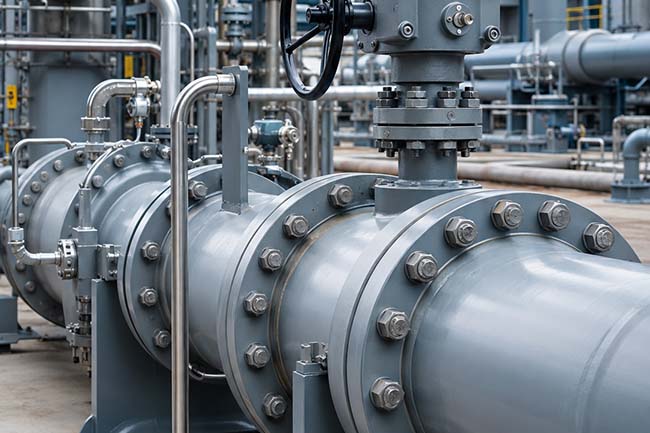
A practical sourcing strategy therefore combines standard pipeline bolting with application-specific and custom fastening components. Clear specifications help ensure that the selected fasteners are compatible with the connected equipment, operating conditions, and required inspection documentation.
Fastening Support for Pipeline, Valve and Pressure Equipment Assemblies
Pressure-bearing piping systems contain many different bolted connections. Flanged pipe joints may require stud bolts with heavy hex nuts, valve bodies may use high-strength bolts or studs, pump connections may need corrosion-resistant fastening systems, and maintenance access points may require removable fasteners suitable for repeated assembly and disassembly.
Flybear supports one-stop sourcing of standard and custom industrial fasteners for pipeline and valve projects, helping buyers consolidate stud bolts, hex bolts, heavy hex nuts, washers, socket screws, threaded rods, specialty fasteners, and drawing-based components according to project specifications.
Pipeline and Valve Fastening Solutions for Flanged Joints
Flanged connections are among the most important fastening locations in pipeline systems. The bolting assembly generates the compressive force required to seat the gasket and maintain the seal between the flange faces. If the bolt material, dimensions, tightening method, or joint configuration is unsuitable, the reliability of the entire connection can be affected.
Stud bolts with nuts are widely used for pipeline flange assemblies because they provide convenient installation and allow tightening from either side of the joint. Hex bolts may also be specified for certain equipment and flange configurations. The appropriate fastener should always follow the piping class, flange standard, equipment drawing, and engineering specification.
Flange bolting should be considered as part of a complete joint system. Flange stiffness, gasket characteristics, bolt material, nut compatibility, surface condition, lubrication, temperature, pressure, and tightening sequence all influence how the joint behaves during installation and operation.
Procurement teams should therefore avoid substituting fasteners solely because their nominal dimensions appear identical. A change in material grade, coating, thread fit, or surface condition can alter tightening behavior and joint performance.
Stud Bolts for Pipeline Flanges and Pressure Connections
Stud bolts are commonly specified for pipelines, valves, pressure vessels, heat exchangers, and other pressure-containing equipment. They can be produced with threads along the complete length or with application-specific unthreaded sections depending on the standard and equipment design.
When sourcing pipeline stud bolts, buyers should clearly define diameter, thread pitch, overall length, material grade, nut grade, surface treatment, and applicable standard. Length is particularly important because the stud must accommodate both flanges, the gasket, nuts, washers where specified, and the required thread projection.
Thread requirements should also be communicated accurately. Metric and inch-based pipeline systems can use different thread forms, pitches, and tolerances. The complete thread designation should therefore be included in RFQs rather than relying on diameter alone.
For non-standard equipment, custom studs can be manufactured with special lengths, reduced sections, different thread lengths, or other geometry according to customer drawings.
Bolting Materials for High-Pressure Pipeline Applications
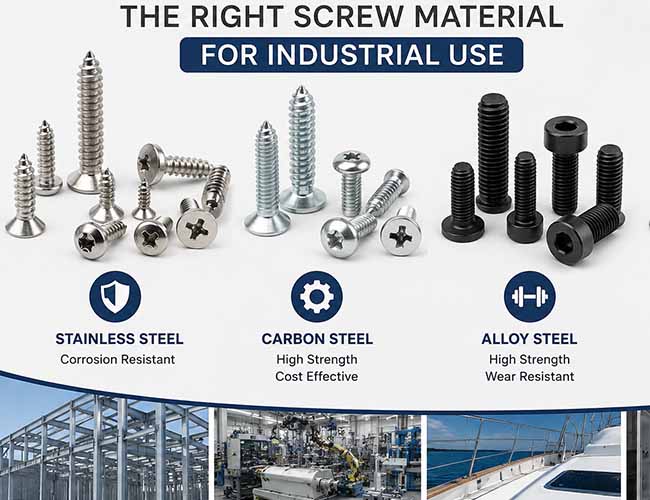
Pressure-bearing joints can require fasteners with mechanical properties matched to the temperature, pressure, and material requirements of the piping system. Alloy steel, stainless steel, carbon steel, and other materials may be specified depending on the application.
ASTM A193 bolting materials are frequently referenced for pressure vessels, valves, flanges, and fittings used in elevated-temperature or pressure service. Matching nuts may be specified according to ASTM A194 or other applicable requirements. The exact grade should follow the project or equipment specification rather than being selected only according to general product availability.
Different grades can offer different combinations of strength, temperature capability, and corrosion behavior. For this reason, replacing one bolting grade with another requires engineering review even when both fasteners share the same diameter and thread.
Buyers should clearly communicate all material and mechanical-property requirements during quotation, including any heat-treatment, testing, marking, or documentation requirements specified by the project.
Fasteners for Valves and Valve Body Assemblies
Industrial valves contain multiple fastening points beyond the pipeline flange connection. Body-to-bonnet joints, covers, actuators, brackets, gland assemblies, gearboxes, and accessories may all require different types of bolts, studs, nuts, washers, and screws.
Valve body and bonnet fasteners can be particularly important because they contribute to the integrity of the pressure boundary. The correct material and strength should therefore be selected according to valve design, operating pressure, temperature, process media, and the manufacturer’s engineering specification.
Smaller fasteners may be used for actuator mounts, position indicators, accessories, guards, and control equipment. These components can have different environmental requirements from the pressure-containing body, so one fastener material is not necessarily appropriate for every location on the valve assembly.
For valve manufacturers sourcing multiple fastener families, consolidating standard and custom components can simplify procurement while still maintaining the individual specifications required for each assembly point.
Fastening Solutions for High-Temperature Pipeline Systems
Steam systems, refinery piping, power-generation equipment, heat exchangers, and process plants may operate at elevated temperatures. Temperature can affect fastener strength, thermal expansion, preload retention, oxidation, and compatibility with the connected equipment.
Bolting material for high-temperature service should therefore be selected according to the applicable engineering specification and expected operating conditions. Certain alloy steel and stainless steel bolting grades are commonly used where elevated-temperature performance is required.
Temperature differences between bolts, flanges, and gaskets can influence joint behavior during heating and cooling cycles. For this reason, material selection and tightening procedures should be evaluated as part of the pressure-joint design rather than independently.
Fastener coatings and lubricants should also be compatible with the operating temperature and project requirements. A surface system suitable for ambient-temperature equipment may not necessarily be appropriate for high-temperature service.
Low-Temperature and Cryogenic Bolting Considerations
Low-temperature pipeline systems can introduce different material requirements because some fastener materials may lose toughness as temperature decreases. Applications involving refrigerated processes, liquefied gases, or other low-temperature fluids therefore require bolting selected specifically for the expected service conditions.
ASTM A320 is one example of a bolting specification commonly referenced for low-temperature service. The exact material grade, matching nut specification, impact requirements, and testing conditions should follow the project documentation.
Procurement teams should not assume that a standard high-strength stud used in general industrial piping is automatically suitable for low-temperature service. Required temperature capability should be clearly stated during the RFQ stage so that the correct material can be evaluated.
Corrosion-Resistant Fasteners for Pipelines and Valves
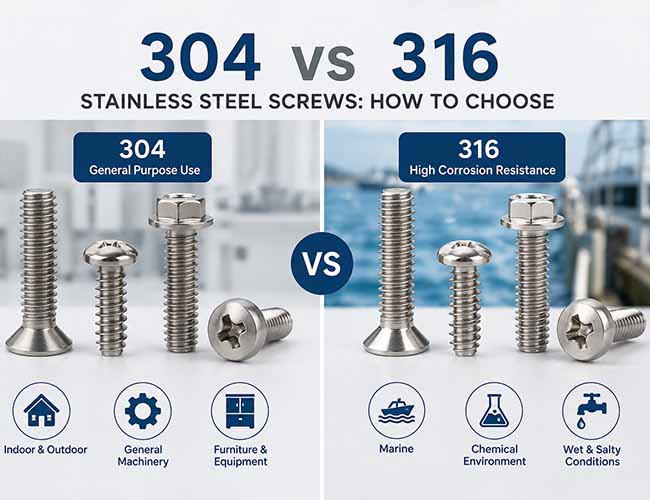
Pipeline fasteners may operate in environments containing humidity, salt, process chemicals, industrial pollutants, water, or other corrosive media. External atmospheric exposure can be important even when the bolting does not come into direct contact with the process fluid.
Stainless steel fasteners may be considered for selected corrosive environments, while alloy steel and carbon steel fasteners may use protective coatings where permitted by the engineering specification. Zinc-based coatings, zinc flake systems, phosphate treatments, and other industrial surface finishes can be applied according to project requirements.
Coating selection should consider more than visible corrosion protection. Thread dimensions, friction characteristics, installation torque, temperature, chemical compatibility, and mating materials may also be affected by the finish.
For high-strength fasteners, coating and manufacturing processes should be evaluated carefully in relation to material properties and applicable technical requirements. The required coating system should be defined during quotation rather than selected after manufacturing.
Pipeline Fasteners for Offshore and Marine Environments
Offshore platforms, coastal facilities, marine terminals, desalination plants, and other salt-containing environments place additional demands on exposed pipeline and valve fasteners. Moisture and salt can accelerate corrosion, particularly around flange joints where access for inspection and maintenance may be limited.
The correct solution can involve suitable base materials, surface-protection systems, controlled installation procedures, or combinations of these approaches depending on the project specification. Stainless steel and other corrosion-resistant alloys may be considered for certain applications, but material compatibility with flanges and surrounding structures should also be evaluated.
Fastener specifications for offshore projects should clearly identify environmental requirements, material grade, coating, dimensions, inspection criteria, and required documentation. Different areas of the same installation may have different exposure levels, so fasteners should be selected according to their actual service location.
Gasket Compression and Bolted Joint Performance
The purpose of pipeline flange bolting is not simply to hold two flanges together. The fasteners generate the clamping force required to compress the gasket sufficiently for the intended sealing system.
Joint performance therefore depends on the interaction between the bolts, nuts, flange surfaces, gasket, lubrication, tightening procedure, and operating conditions. Insufficient preload may reduce gasket compression, while uncontrolled tightening can also create problems for the fasteners, gasket, or flange.
Engineering teams should follow the applicable flange, gasket, equipment, and installation requirements when defining assembly procedures. Fastener sourcing supports this process by providing components that match the specified material, dimensions, thread requirements, and surface condition.
For maintenance projects, replacement bolting should be checked against the original specification before a flanged joint is reassembled.
Fastener Selection for Pumps, Strainers and Pipeline Equipment
Pipeline networks often include pumps, strainers, filters, meters, expansion joints, heat exchangers, actuators, and other mechanical equipment. These components can require both pressure-boundary fasteners and general equipment-mounting hardware.
Stud bolts, hex bolts, socket head screws, heavy hex nuts, standard nuts, washers, threaded rods, and custom fastening components can be used depending on the equipment design.
Vibration generated by pumps or connected rotating equipment should also be considered. Correct preload and joint design are important for maintaining stable connections. Where locking features are required, the selected method should be compatible with the equipment specification and expected maintenance frequency.
Fasteners used for removable covers or maintenance points should balance reliable clamping with practical disassembly, especially when equipment requires periodic inspection or internal cleaning.
Standard and Custom Pipeline Fasteners
Many pipeline projects use fasteners produced according to recognized ASTM, ASME, ISO, DIN, or other international and project-specific specifications. Standard products can simplify sourcing when the piping design uses commonly defined bolt, stud, and nut configurations.
However, valves, pressure equipment, skids, fabricated piping systems, and specialty assemblies can require non-standard fastening components. Custom pipeline fasteners may include special-length studs, double-ended studs, reduced-shank bolts, shoulder bolts, threaded shafts, special nuts, extended-length fasteners, and drawing-based machined parts.
Custom fasteners can be useful when equipment geometry, restricted installation space, or special assembly requirements cannot be addressed with standard catalog products.
For drawing-based parts, the RFQ should specify dimensions, tolerances, thread configuration, material, mechanical properties, heat treatment, surface finish, and required inspection documentation.
Heavy Hex Nuts and Matching Components
Stud bolts used in pressure-bearing applications are often supplied with nuts selected according to the required bolting specification. Heavy hex nuts are frequently used in pipeline, flange, valve, and pressure-equipment applications because their geometry is designed for demanding bolted connections.
The nut should be compatible with the stud in terms of material specification, mechanical properties, thread, dimensions, and service conditions. Buyers should avoid mixing components based only on nominal thread compatibility.
Washers may also be specified for certain joints or equipment designs. Where they are required, washer material, hardness, dimensions, and surface finish should match the engineering requirements of the complete bolting assembly.
Quality and Traceability for Pressure-Bearing Fasteners
Fasteners intended for pipeline and pressure-equipment applications should be procured against clearly defined specifications. Material identity, dimensional consistency, mechanical properties, thread quality, finish, and documentation can all be important depending on the application.
Inspection requirements may include dimensional checks, thread inspection, hardness testing, tensile or proof-load testing, chemical composition verification, coating inspection, or other project-defined verification. The exact requirements should be established before production.
For projects requiring material traceability, buyers should also specify documentation, batch identification, product marking, and labeling requirements during quotation. These requirements can vary between industries, regions, EPC contractors, and individual end users.
No fastener should be assumed suitable for a pressure-bearing application solely because it matches a general dimensional standard. Suitability should be determined according to the complete engineering specification and approved procurement requirements.
Fasteners for Pipeline Maintenance and Replacement
Pipeline and valve fastening requirements continue throughout the life of an industrial facility. Maintenance teams may need replacement studs, bolts, nuts, washers, and specialty fasteners during scheduled shutdowns, valve servicing, flange replacement, pump maintenance, or equipment upgrades.
Replacement bolting should match the required material grade, thread, dimensions, coating, and service conditions. Substituting an unidentified bolt or nut simply because it fits the joint can create unnecessary risk in pressure-bearing systems.
For older installations or imported equipment, non-standard fasteners may no longer be readily available. In these cases, an engineering drawing or detailed technical specification can help evaluate custom manufacturing.
Maintaining clear fastener records can also help maintenance departments plan shutdown procurement and reduce uncertainty when replacement parts are needed.
How to Prepare an RFQ for Pipeline and Valve Fasteners
A complete RFQ allows suppliers to evaluate both technical requirements and manufacturing feasibility more accurately. Pipeline and valve buyers should provide the applicable bolting specification rather than only a general description such as “high-strength stud bolt.”
Recommended RFQ Information
- Fastener type: stud bolt, hex bolt, nut, washer, or custom component
- Applicable ASTM, ASME, ISO, DIN, or project specification
- Diameter, thread type, thread pitch, and length
- Material grade and required mechanical properties
- Matching nut grade where applicable
- Surface treatment or coating specification
- Operating temperature and relevant service conditions
- Required quantity and purchasing frequency
- Technical drawing for non-standard components
- Critical dimensions and tolerances
- Inspection and testing requirements
- Material traceability and documentation requirements
- Packaging, marking, and labeling requirements
When the exact fastener has not yet been finalized, information about the pressure joint can also support technical evaluation. Flange type, piping class, connected materials, gasket system, operating environment, assembly method, and maintenance requirements can help identify the appropriate fastening configuration.
One-Stop Sourcing for Pipeline and Valve Fastening Projects
Pipeline construction and maintenance projects can require many different fastener families across flanged joints, valves, pumps, pressure vessels, process skids, supports, and auxiliary equipment. Managing multiple suppliers for standard studs, high-strength bolts, nuts, washers, stainless fasteners, coated hardware, and custom components can increase purchasing complexity.
A consolidated sourcing strategy allows procurement teams to organize fasteners by material, grade, dimensional standard, coating, size, and application while maintaining the individual technical requirements of each item. This can support new equipment production, EPC projects, scheduled maintenance, and spare-parts purchasing.
Whether the requirement involves pipeline stud bolts, valve body fasteners, flange bolting, corrosion-resistant hardware, low-temperature bolting, high-temperature fasteners, or custom drawing parts, reliable sourcing begins with accurate technical specifications. Matching the fastener material, geometry, thread, mechanical properties, finish, and documentation to the actual pressure-bearing joint helps create a more controlled and dependable procurement process for industrial pipeline and valve systems.